

ELEVATE YOUR RESEARCH
Independently Tested and Researched Compounds
All products are manufactured and tested to verify purity and confirm consistency for laboratory research.
Third-Party Reviewed
Every batch is tested by third-party accredited laboratories.
Research Use Only
SlimFit Compounds are intended for laboratory and in vitro research, not for human or animal consumption.
✔ Fast Shipping
✔ Quality Tested
✔ Secure Checkout
✔ Replacements
SlimFit Compounds assures fast shipping on quality tested products with secure SSL checkout and replacements on lost or damaged items.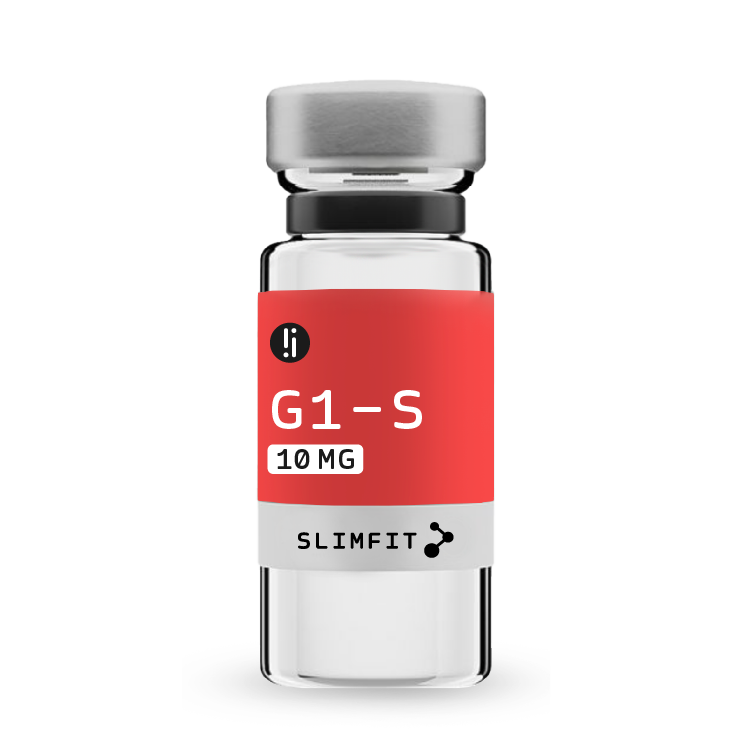
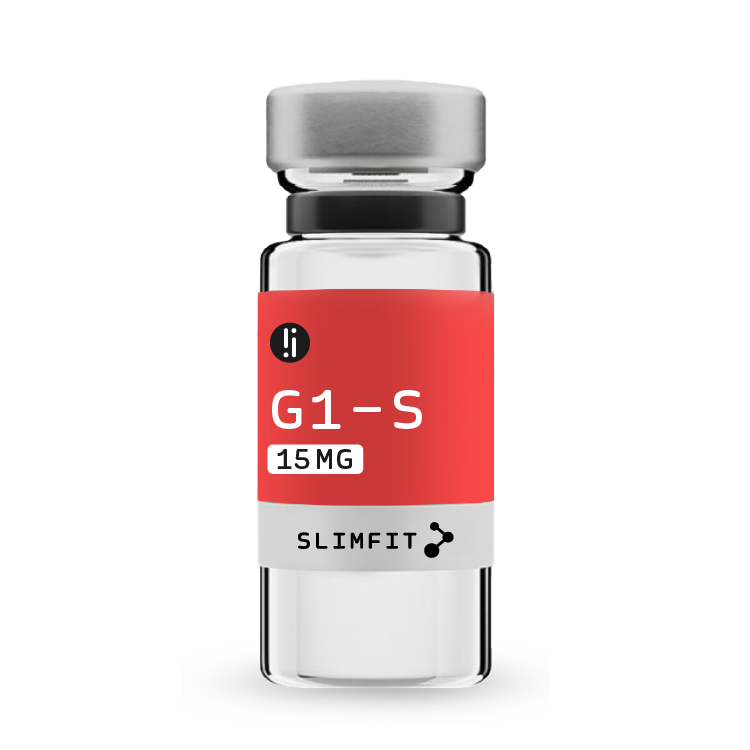
Long-Acting GLP-1 Receptor Analog
G1-S (Sema) is a research compound widely studied for its role in appetite regulation, glucose metabolism, and energy balance pathways. It is commonly positioned as a foundational compound in metabolic and weight-regulation research models, serving as an entry point for GLP-1 receptor-focused investigations.
As a GLP-1 receptor agonist, G1-S is often studied for its effects on appetite signaling pathways, insulin response, and gastric emptying. Its extended half-life and once-weekly dosing make it a reference compound in long-term metabolic and endocrine research protocols, often preceding more complex dual- or triple-agonist studies.
Key Areas of Research Interest
Appetite signaling and intake regulation pathways
Satiety signaling and delayed gastric emptying mechanisms
Insulin response modulation and glucose stability
Metabolic efficiency and fat mass-related research
Energy balance and glycemic control pathways
Mechanism of Action
G1-S functions by mimicking the activity of endogenous GLP-1, a hormone involved in glucose-dependent insulin secretion, appetite signaling, and digestive rate modulation. Research has shown that GLP-1 receptor activation influences central nervous system signaling related to food intake while also affecting peripheral glucose regulation.
Rather than acting as a direct satiety agent, G1-S is studied for its role in modulating neurohormonal pathways associated with appetite suppression, delayed gastric emptying, and metabolic signaling. These mechanisms have made it a cornerstone compound in metabolic research and a baseline comparator in GLP-1-related studies.
Extensive clinical and laboratory research has established G1-S as a well-characterized compound within the GLP-1 class, frequently utilized in ongoing metabolic and endocrine investigations.
Product Specifications
Compound Class: GLP-1 receptor agonist
Administration Route: Subcutaneous injection
Molecular Formula: C187H291N45O59
Molecular Formula: C₁₈₇H₂₉₁N₄₅O₅₉
Molecular Weight: Approximately 4113.58 g mol
Half-Life: Approximately 7 days
Research Application: Metabolic and glucose regulation studies
Quality Commitment
SlimFit Compounds partners with emerging U.S.-based manufacturers that adhere to strict production, verification, and purity standards. These research-grade formulations are produced using protocols comparable to those employed by major pharmaceutical laboratories, enabling access to high-quality compounds without excessive cost barriers.
Research Use Disclaimer
This product is intended for research and laboratory use only.
Not for human consumption.
Not intended to diagnose, treat, cure, or prevent any disease.
Information provided is for educational and research reference purposes only and has not been evaluated by the FDA. Only qualified professionals should handle this compound in appropriate research or laboratory settings.
Incretin
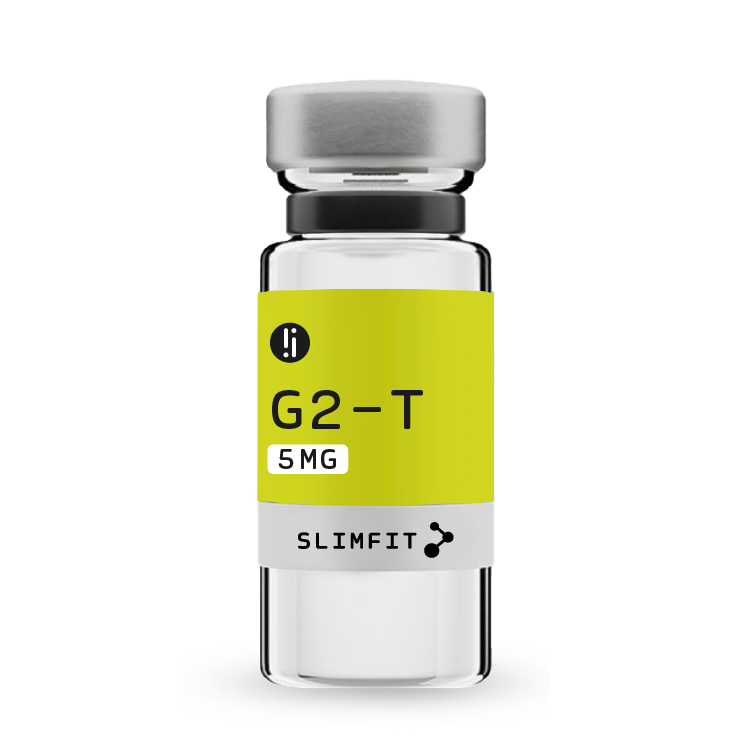
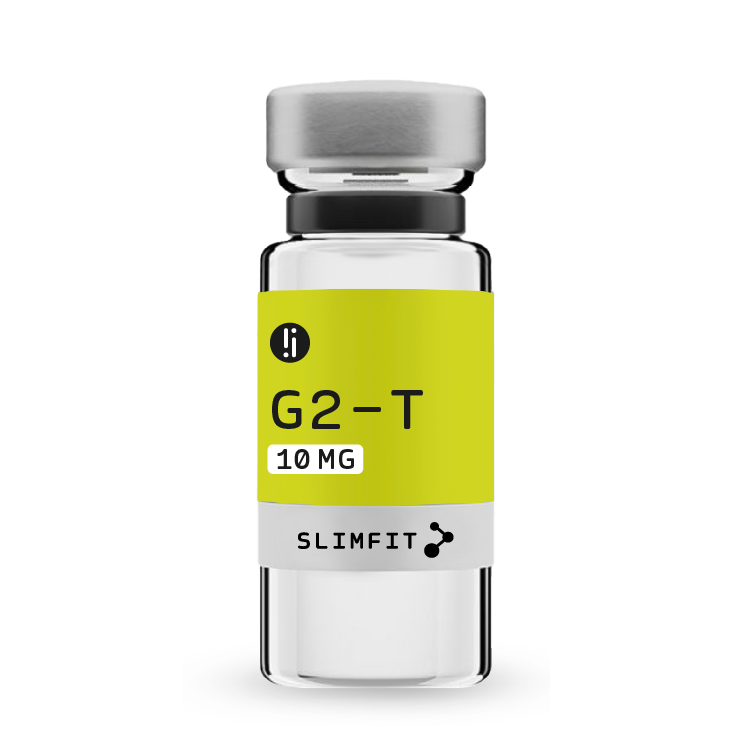
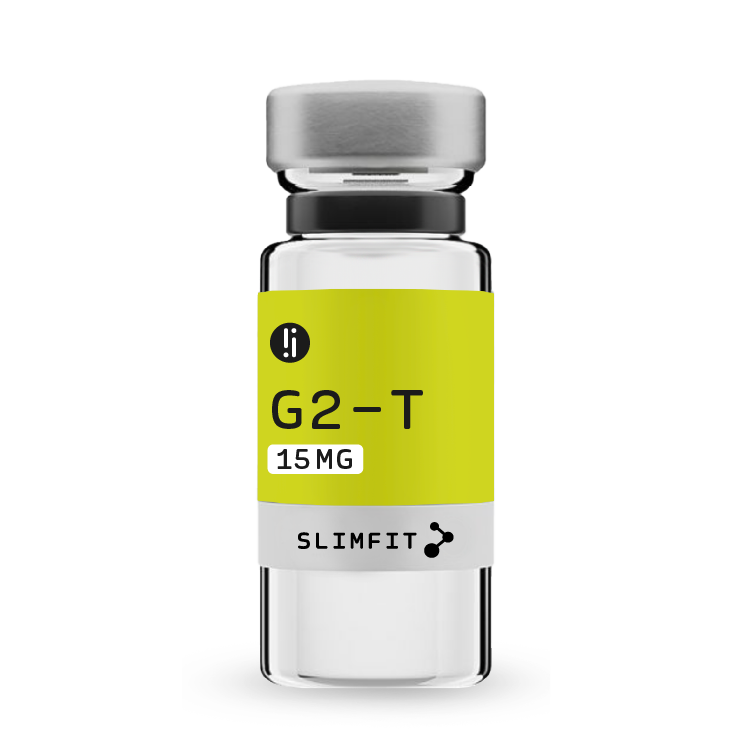
Long-Acting Dual-Receptor Analog
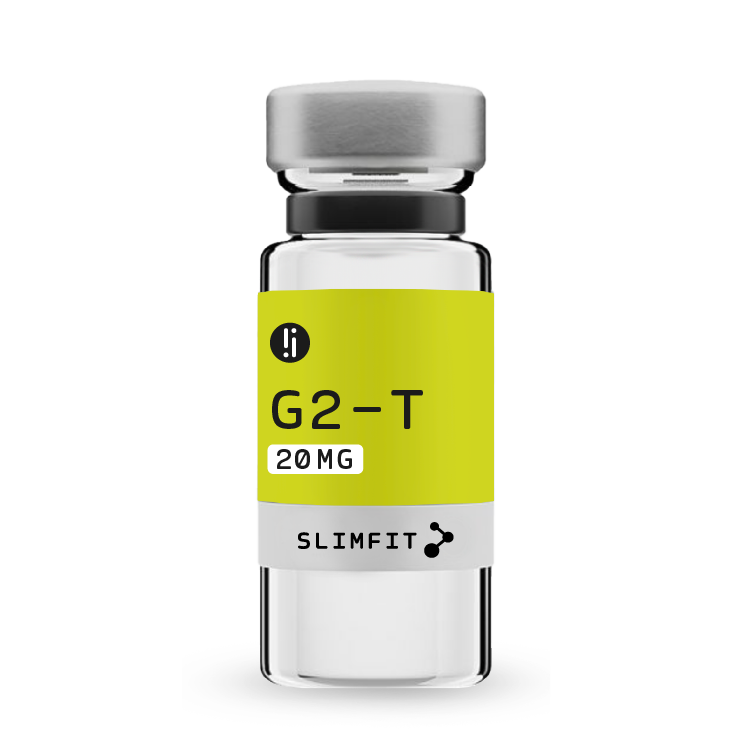
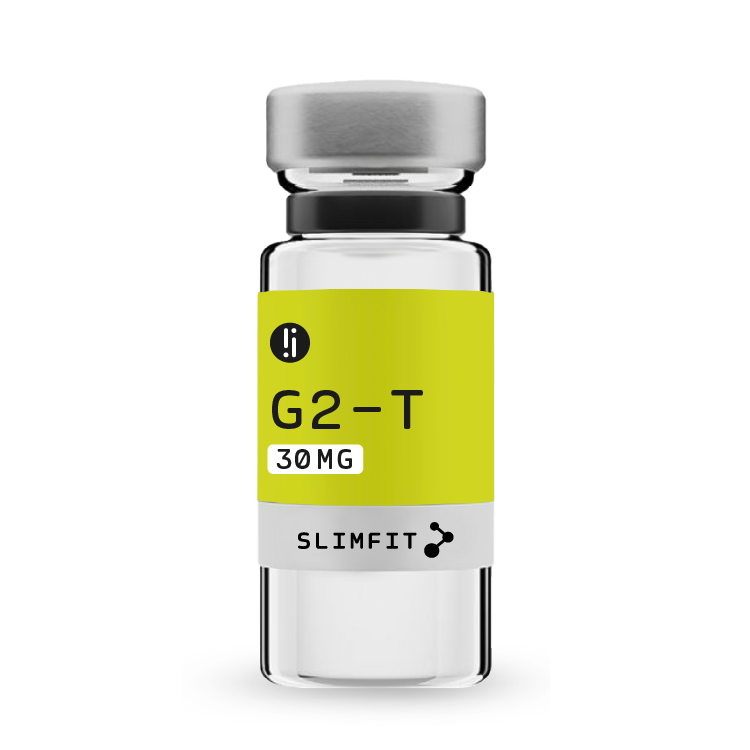
G2-T (Tirz) represents a significant advancement in metabolic research, positioned as a dual-agonist compound engineered to engage two primary incretin pathways—GLP-1 and GIP receptors. This dual-pathway design builds upon earlier single-agonist frameworks, offering enhanced regulatory control within energy intake, glucose-related signaling, and adipose metabolism research models.
Through coordinated receptor engagement, G2-T is structured to support more efficient metabolic signaling than first-generation incretin compounds, making it a key developmental step in research optimization.
Key Areas of Research Interest
Dual activation of GLP-1 and GIP receptor pathways
Enhanced regulation of energy intake–associated signaling
Improved glucose utilization and insulin-related pathway efficiency
Support for metabolic balance during adaptive plateaus
Demonstrated advancement over single-agonist models in comparative studies
Mechanism of Action
G2-T functions as a dual incretin receptor agonist, simultaneously activating GLP 1 and GIP signaling pathways. These pathways are central to metabolic regulation research and influence glucose-dependent signaling, energy intake modulation, and lipid storage dynamics.
By integrating both receptor actions into a single molecular structure, G2-T demonstrates greater signaling efficiency than GLP 1–only compounds such as G1-S. Comparative research has shown improved outcomes across multiple metabolic markers, including adipose-related measurements and glucose-associated endpoints, highlighting its role as an intermediary advancement between single- and triple-agonist development.
Product Specifications
Compound Type: Dual-agonist compound
Classification: GLP-1 / GIP receptor agonist
Administration Route: Subcutaneous (weekly protocols observed in studies)
Molecular Formula: C₂₂₅H₃₄₈N₄₈O₆₈
Molecular Weight: ~4,813.03 g/mol
Estimated Half-Life: ~5 days
Development Status: Advanced clinical research
Research Focus: Metabolic signaling, glucose regulation pathways, adipose modulation
Quality Commitment
SlimFit Compounds partners with emerging U.S.-based manufacturers that adhere to strict production, verification, and purity standards. These research-grade formulations are produced using protocols comparable to those employed by major pharmaceutical laboratories, enabling access to high-quality compounds without excessive cost barriers.
Research Use Disclaimer
This product is intended for research and laboratory use only.
Not for human consumption.
Not intended to diagnose, treat, cure, or prevent any disease.
Information provided is for educational and research reference purposes only and has not been evaluated by the FDA. Only qualified professionals should handle this compound in appropriate research or laboratory settings.
Dual-Receptor
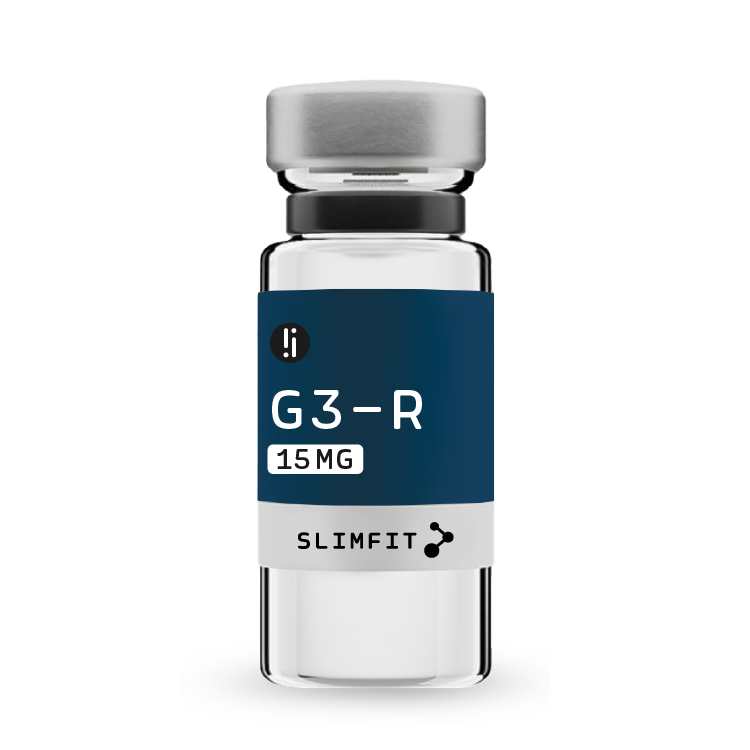
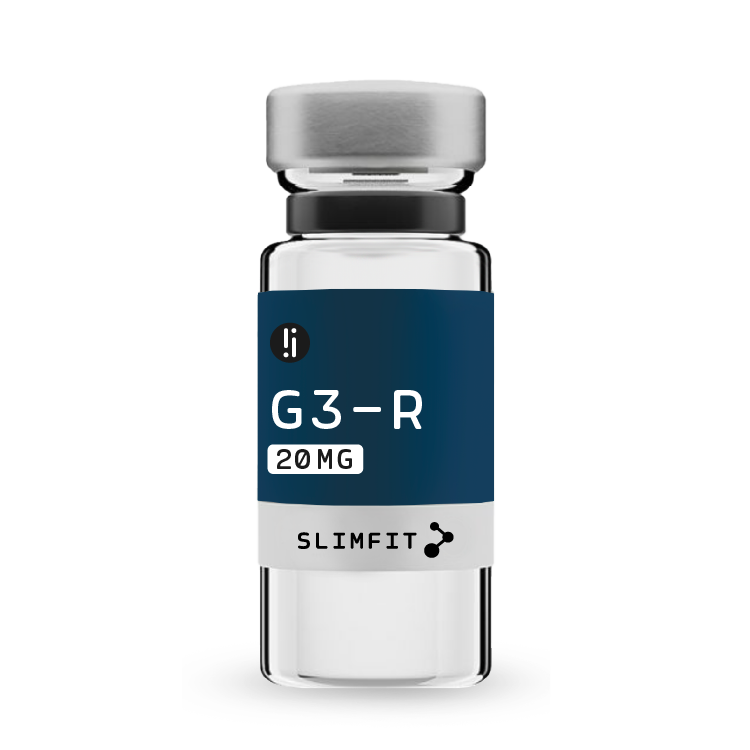
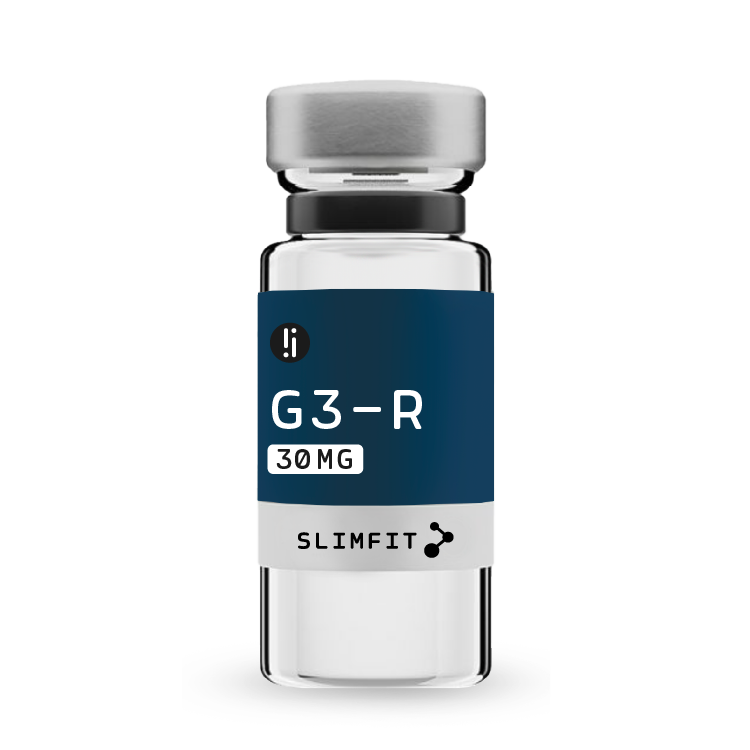
Triple-Receptor Agonist
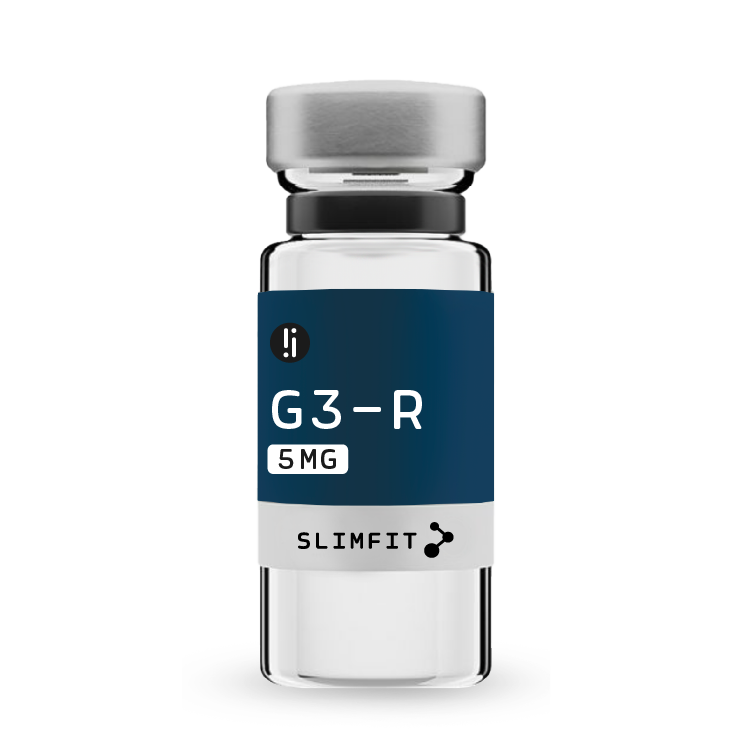
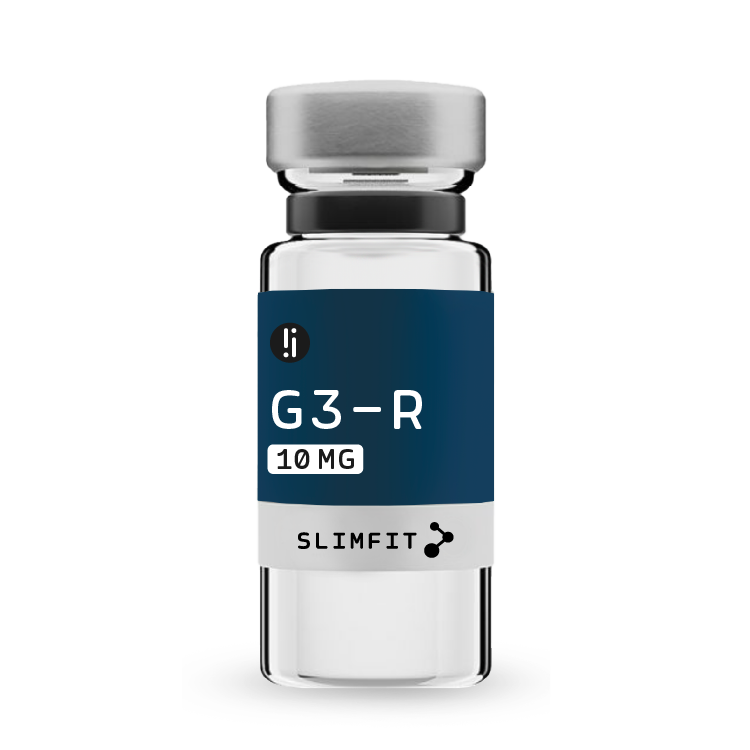
G3-R represents the most advanced evolution in metabolic research. Engineered as a triple-agonist compound, it engages three critical regulatory pathways—GLP-1, GIP, and glucagon receptors—in energy balance and substrate utilization. This multi-pathway activation profile distinguishes G3-R as a next-generation compound in body-composition and metabolic optimization research.
Unlike single- or dual-agonist compounds, G3-R is structured to influence both intake signaling and energy expenditure mechanisms, positioning it as a peak-performance option in advanced compound development.
Key Areas of Research Interest
Simultaneous activation of GLP-1, GIP, and glucagon receptor pathways
Upregulation of metabolic rate–associated signaling
Enhanced lipid oxidation pathways with preserved structural tissue signaling
High-precision multi-hormonal pathway engagement
Demonstrated efficacy in overcoming metabolic adaptation observed in prior agonist models
Mechanism of Action
G3-R operates through a triple-agonist signaling framework. Activation of GLP-1 and GIP receptor pathways supports regulated energy intake signaling and glucose-related pathway efficiency. Its additional engagement of glucagon receptors differentiates the compound by promoting increased energy-expenditure signaling and enhanced lipid-mobilization pathways.
This integrated mechanism shifts focus beyond isolated appetite-related pathways toward system-level metabolic modulation. Comparative research data indicate G3-R shows greater overall reductions in adipose-associated markers than dual-agonist compounds such as G1-S and G2-T, particularly in models assessing central and visceral fat signaling.
Product Specifications
Compound Type: Triple-agonist compound
Classification: GLP-1 / GIP / Glucagon receptor agonist
Administration Route: Subcutaneous (weekly protocol observed in studies)
Molecular Formula: C₂₂₁H₃₄₂N₄₆O₆₈
Molecular Weight: 4,731.33 g/mol
Estimated Half-Life: 5–7 days
Development Status: Late-stage clinical research
Research Focus: Metabolic signaling, energy balance modulation, adipose tissue regulation
Quality Commitment
SlimFit Compounds partners with emerging U.S.-based manufacturers that adhere to strict production, verification, and purity standards. These research-grade formulations are produced using protocols comparable to those employed by major pharmaceutical laboratories, enabling access to high-quality compounds without excessive cost barriers.
Research Use Disclaimer
This product is intended for research and laboratory use only.
Not for human consumption.
Not intended to diagnose, treat, cure, or prevent any disease.
Information provided is for educational and research reference purposes only and has not been evaluated by the FDA. Only qualified professionals should handle this compound in appropriate research or laboratory settings.
Triple-Receptor
Regenerative
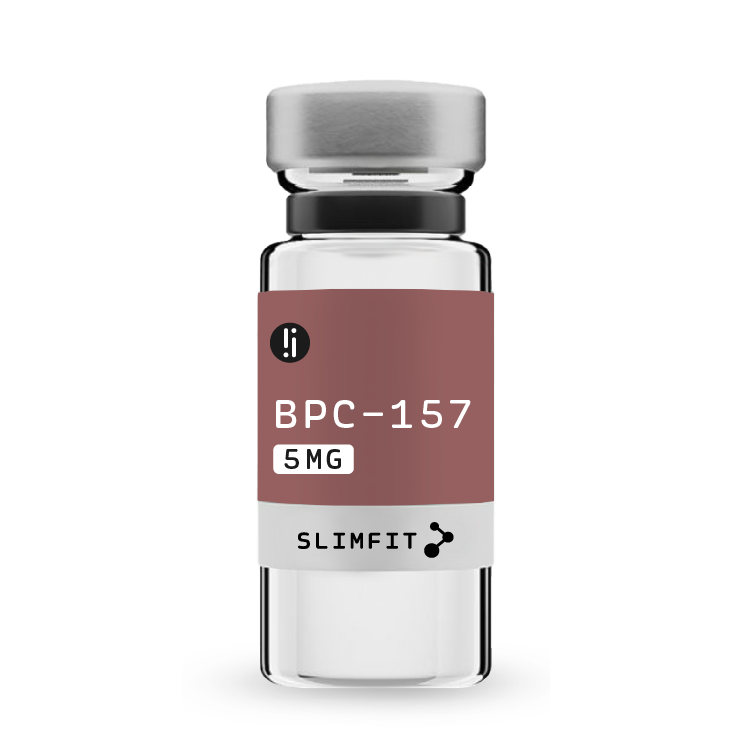
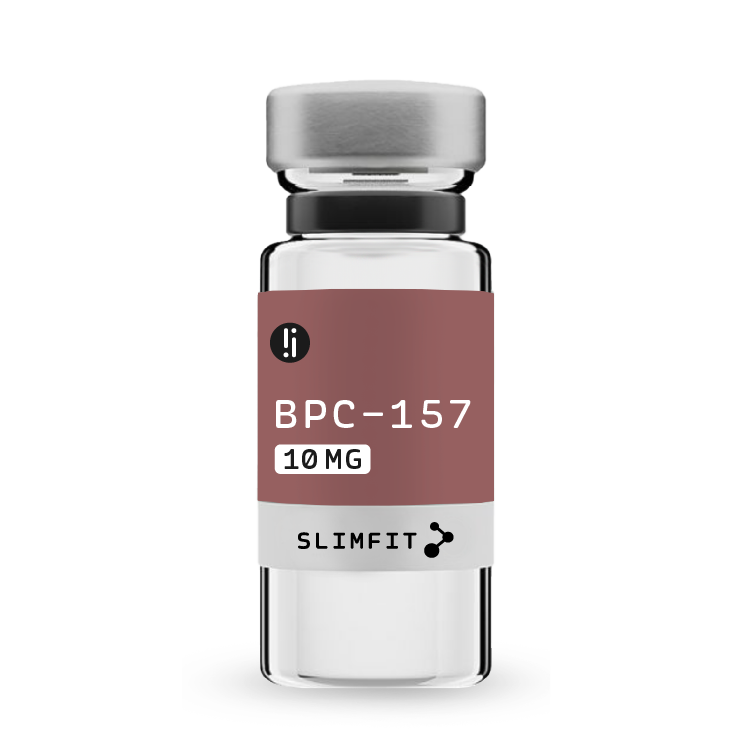
Body Protection Compound 157 (BPC-157) is a synthetic research compound derived from a naturally occurring protein fragment identified in gastric juice. Researchers have extensively studied it in laboratory and preclinical settings for its role in cellular repair signaling, tissue integrity pathways, and gastrointestinal system-related mechanisms.
In the research literature, BPC-157 is frequently cited for its interaction with angiogenic processes and cellular signaling pathways associated with tissue maintenance and regeneration. Because of its stability and well-defined amino acid sequence, it is commonly used in studies involving soft tissue models, connective tissue research, and digestive system investigations.
Key Areas of Research Interest
Cellular repair and tissue regeneration pathways
Angiogenesis and vascular signaling mechanisms
Inflammatory response modulation
Gastrointestinal integrity and mucosal protection research
Recovery-related biochemical signaling pathways
Mechanism of Action
BPC-157 is studied for its ability to influence angiogenic signaling and cellular communication pathways involved in tissue maintenance. Research indicates that the compound may interact with nitric oxide pathways, growth factor signaling, and cytoprotective mechanisms relevant to tissue resilience and repair.
In laboratory models, BPC-157 has demonstrated stability in gastric environments, contributing to its frequent examination in gastrointestinal research. Its role in modulating inflammatory signaling and cellular stress responses has made it a compound of interest across a wide range of regenerative and recovery-focused studies.
Product Specifications
Compound Type: Synthetic research compound
Form: Lyophilized powder
CAS Number: 137525-51-0
Amino Acid Sequence: Gly Glu Pro Pro Pro Gly Lys Pro Ala Asp Asp Ala Gly Leu Val
Molecular Weight: Approximately 1419.54 g mol
Research Application: Tissue regeneration and gastrointestinal pathway studies
Quality Commitment
SlimFit Compounds partners with emerging U.S.-based manufacturers that adhere to strict production, verification, and purity standards. These research-grade formulations are produced using protocols comparable to those employed by major pharmaceutical laboratories, enabling access to high-quality compounds without excessive cost barriers.
Research Use Disclaimer
This product is intended for research and laboratory use only.
Not for human consumption.
Not intended to diagnose, treat, cure, or prevent any disease.
Information provided is for educational and research reference purposes only and has not been evaluated by the FDA. Only qualified professionals should handle this compound in appropriate research or laboratory settings.
Repair Signaling
Growth Hormone Secretagogue Blend
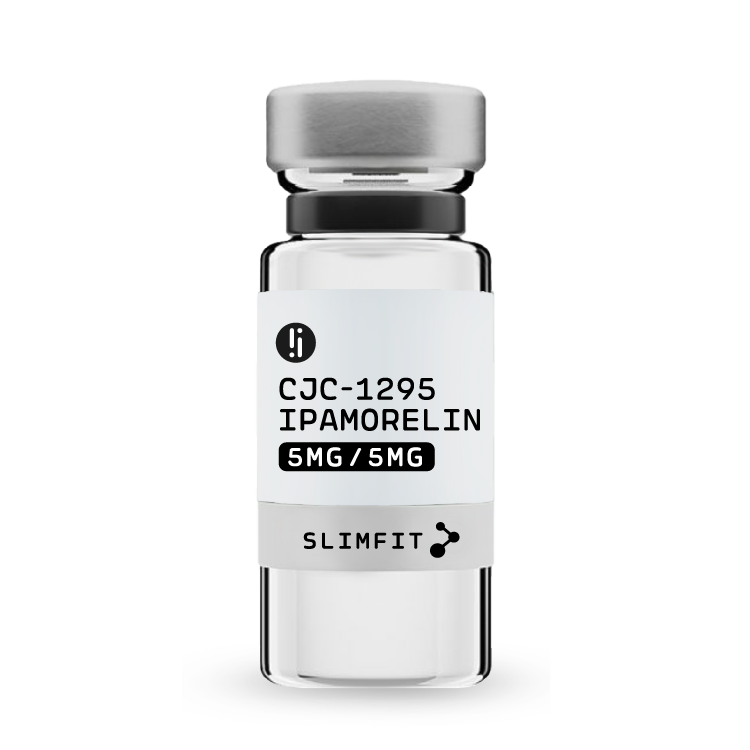
CJC-1295 / Ipamorelin is a formulation commonly used in growth hormone pathway research. By combining a growth hormone-releasing hormone analog with a selective ghrelin receptor agonist, this pairing works through complementary signaling mechanisms involved in natural growth hormone release.
Researchers frequently use this combination in studies focused on recovery, sleep quality, and body composition signaling. The coordinated interaction between CJC-1295 and Ipamorelin enables investigation of balanced growth hormone pulse activity and downstream metabolic pathways.
Key Areas of Research Interest
Supports natural growth hormone signaling linked to recovery and physical performance
Helps the body recover faster after intense training or physical stress
Promotes deeper sleep and supports overnight repair processes
Supports lean muscle maintenance while helping regulate fat metabolism
Helps maintain balanced and consistent growth hormone release patterns
Mechanism of Action
CJC-1295 functions as a growth hormone-releasing hormone analog that interacts with receptors that stimulate growth hormone signaling pathways. Ipamorelin acts as a selective ghrelin receptor agonist that promotes growth hormone pulse activity through a separate but complementary mechanism.
Together, these compounds influence two distinct regulatory pathways associated with endogenous growth hormone release. This dual-pathway activity allows researchers to examine coordinated signaling related to recovery processes, metabolic function, and regenerative biological pathways.
Product Specifications
Compound: CJC-1295 / Ipamorelin Blend
Form: Lyophilized Powder
Chemical Name: CJC-1295 (Modified Growth Hormone Releasing Hormone Analog)
Ipamorelin (Growth Hormone Secretagogue)
Molecular Weight: CJC-1295: ~3647.2 g/mol Ipamorelin: ~711.9 g/mol
Appearance: White to off-white sterile lyophilized powder
Research Application: Growth hormone secretagogue research, metabolic pathway studies, recovery signaling analysis, and compound interaction research.
Quality Commitment
SlimFit Compounds partners with emerging U.S.-based manufacturers that adhere to strict production, verification, and purity standards. These research-grade formulations are produced using protocols comparable to those employed by major pharmaceutical laboratories, enabling access to high-quality compounds without excessive cost barriers.
Research Use Disclaimer
This product is intended for research and laboratory use only.
Not for human consumption.
Not intended to diagnose, treat, cure, or prevent any disease.
Information provided is for educational and research reference purposes only and has not been evaluated by the FDA. Only qualified professionals should handle this compound in appropriate research or laboratory settings.
GH Secretagogue Blend
GHRH Analog • Visceral Adipose Research
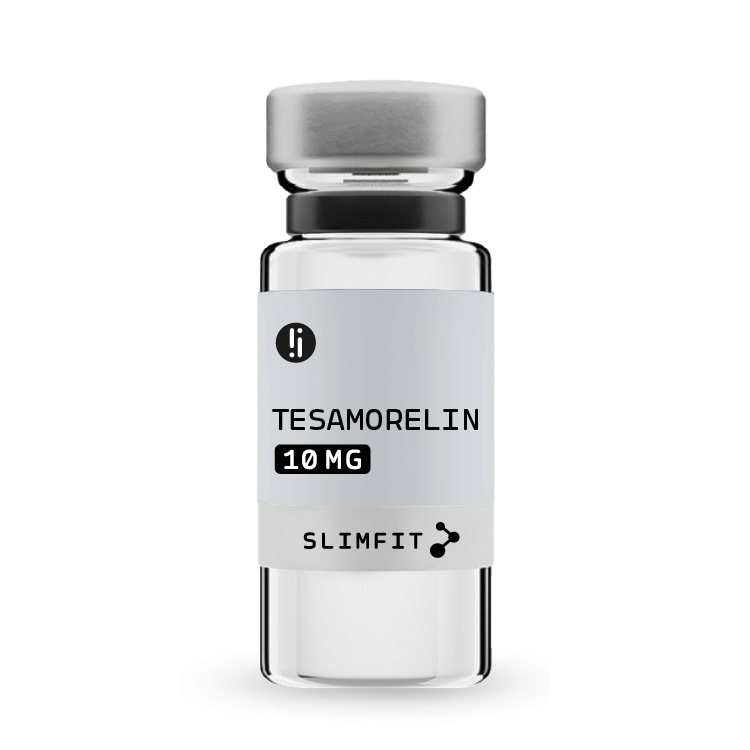
Tesamorelin is a synthetic growth hormone-releasing hormone (GHRH) analog commonly studied for its role in growth hormone signaling, metabolic activity, and body composition support.
Unlike broader growth hormone secretagogues, Tesamorelin stands out for its strong association with visceral adipose tissue pathways, making it a compound of particular interest in research focused on stubborn fat storage around internal organs, metabolic efficiency, and overall body composition changes.
By stimulating natural growth hormone release through targeted pituitary signaling, Tesamorelin helps drive downstream pathways linked to lipid metabolism, recovery, tissue maintenance, and energy utilization.
Key Areas of Research Interest
Frequently studied for its role in reducing visceral adipose tissue (fat stored around internal organs) while improving overall body composition
Stimulates natural growth hormone release through targeted growth hormone-releasing hormone (GHRH) signaling
Supports metabolic function and lipid metabolism pathways to utilize energy and support body composition
Helps preserve lean muscle tissue
Investigated for recovery support, cellular repair processes, and downstream growth hormone activity
Mechanism of Action
Tesamorelin is a synthetic analog of growth hormone-releasing hormone (GHRH) that interacts with pituitary receptors to trigger natural growth hormone release.
Once activated, this signaling helps stimulate pulsatile growth hormone secretion, which can influence downstream pathways tied to fat metabolism, tissue repair, recovery, and overall metabolic function.
What makes Tesamorelin unique is its stronger association with visceral fat pathways compared to more general growth hormone support compounds, making it especially relevant in body composition-focused research
Product Specifications
Compound Type: Synthetic Hormone Analog
Classification: Growth Hormone Releasing Hormone (GHRH) Analog
Primary Structure: 44 Amino Acid Synthetic compound
Molecular Formula: C₂₂₁H₃₆₆N₇₂O₆₇S
Molecular Weight: ~5135.9 g/mol
Appearance: White to off-white sterile lyophilized powder
Form: Lyophilized Powder
Administration Route: Subcutaneous
Stability Profile: Lyophilized compound; stable under recommended cold storage conditions prior to reconstitution. Reconstituted stability depends on storage conditions and handling.
Development Status: FDA-approved active pharmaceutical ingredient originally developed for visceral adipose tissue reduction research and metabolic applications
Research Application: Growth hormone signaling, metabolic pathway analysis, visceral fat studies, lipid metabolism pathways, recovery and body composition research
Quality Commitment
SlimFit Compounds partners with emerging U.S.-based manufacturers that adhere to strict production, verification, and purity standards. These research-grade formulations are produced using protocols comparable to those employed by major pharmaceutical laboratories, enabling access to high-quality compounds without excessive cost barriers.
Research Use Disclaimer
This product is intended for research and laboratory use only.
Not for human consumption.
Not intended to diagnose, treat, cure, or prevent any disease.
Information provided is for educational and research reference purposes only and has not been evaluated by the FDA. Only qualified professionals should handle this compound in appropriate research or laboratory settings.
GHRH Analog
Tissue-Regeneration
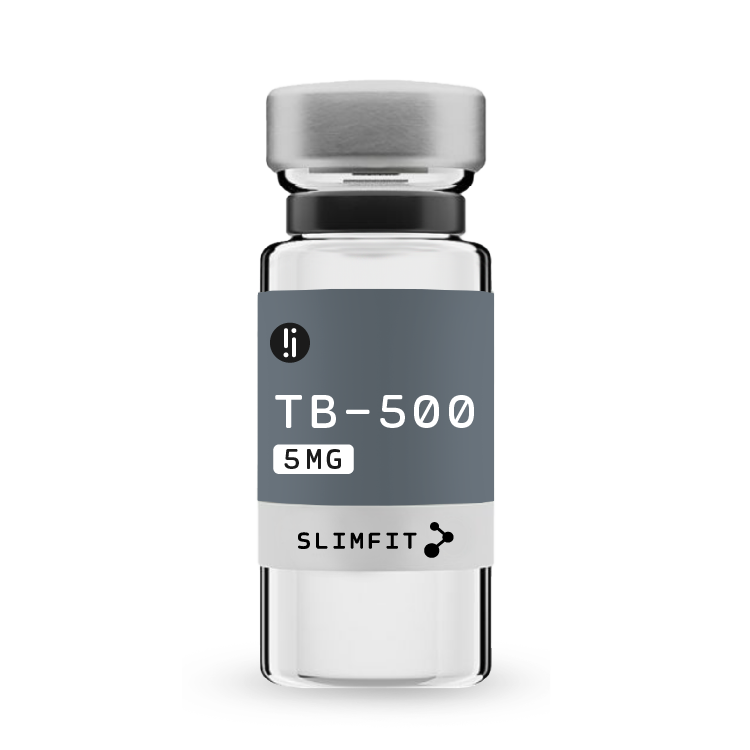
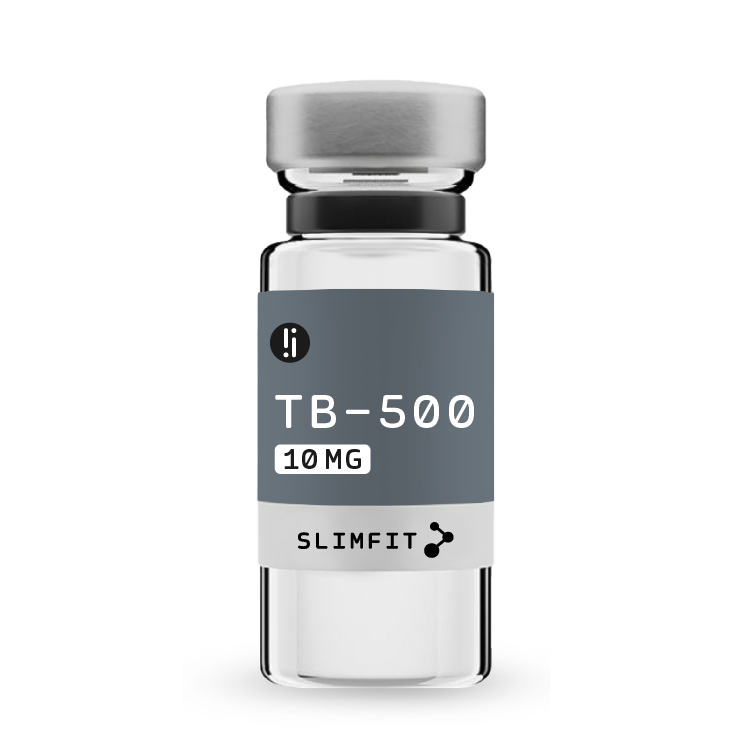
TB-500 is a synthetic research compound modeled after Thymosin Beta 4, a naturally occurring compound involved in cellular organization and tissue-related signaling pathways. It is widely studied in laboratory and preclinical research settings for its role in cytoskeletal regulation, cell migration, and angiogenic processes.
In the scientific literature, TB-500 is frequently examined for its influence on actin-binding dynamics, vascular development pathways, and connective tissue-related cellular signaling. Its broad biological activity and well-characterized structure have made it a compound of interest in studies involving tissue integrity, repair signaling, and recovery-related mechanisms.
Key Areas of Research Interest
Cell migration and cytoskeletal organization pathways
Angiogenesis and vascular development signaling
Inflammatory response modulation
Connective tissue and musculoskeletal research models
Cellular stress response and repair-related signaling
Mechanism of Action
TB-500 is studied for its interaction with actin regulation and intracellular signaling pathways that influence cellular movement and structural organization. Research has shown thymosin beta 4-related compounds to play a role in endothelial cell migration, vascular formation signaling, and modulation of inflammatory pathways.
In laboratory models, TB-500 is often examined alongside other regenerative-focused research compounds to evaluate overlapping or complementary signaling mechanisms within tissue repair and recovery pathways. Its ability to interact with multiple cellular systems has positioned it as a widely referenced compound in regenerative and connective tissue research.
Product Specifications
Compound Type: Synthetic research compound
Form: Lyophilized powder
CAS Number: 77591-33-4
Amino Acid Sequence: Ac-Leu-Lys-Lys-Thr-Glu-Thr-Gln
Molecular Weight: Approximately 4963.44 g mol
Research Application: Cellular migration and tissue signaling studies
Quality Commitment
SlimFit Compounds partners with emerging U.S.-based manufacturers that adhere to strict production, verification, and purity standards. These research-grade formulations are produced using protocols comparable to those employed by major pharmaceutical laboratories, enabling access to high-quality compounds without excessive cost barriers.
Research Use Disclaimer
This product is intended for research and laboratory use only.
Not for human consumption.
Not intended to diagnose, treat, cure, or prevent any disease.
Information provided is for educational and research reference purposes only and has not been evaluated by the FDA. Only qualified professionals should handle this compound in appropriate research or laboratory settings.
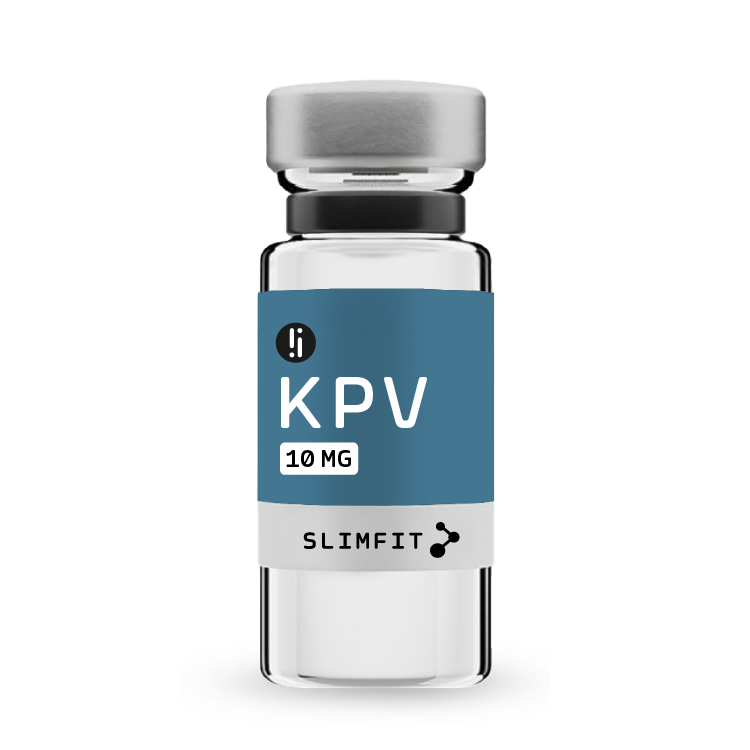
Tissue Regeneration
Immune-Modulating
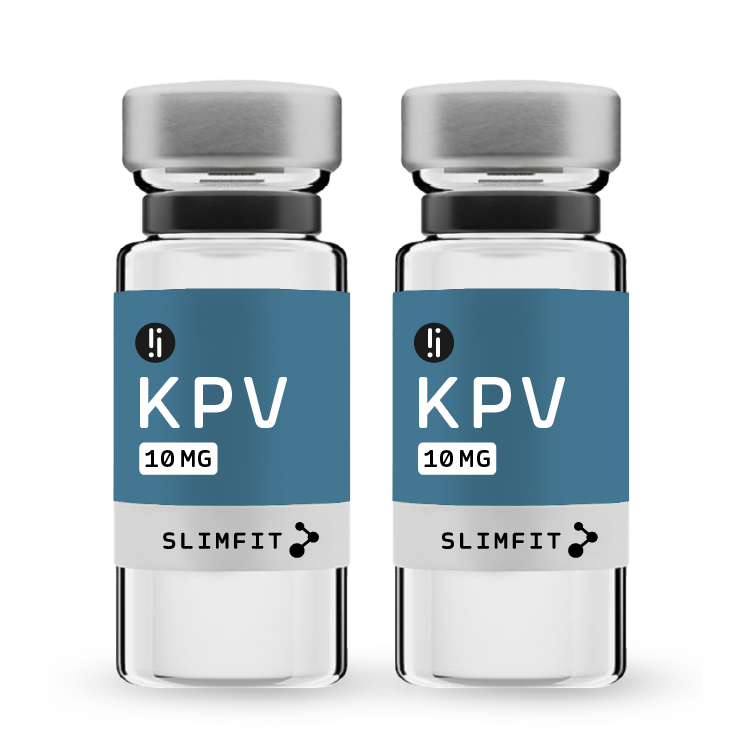
Lysine-Proline-Valine (KPV) is a naturally occurring compound derived from the alpha-melanocyte-stimulating hormone (α-MSH) sequence and is widely studied for its role in inflammatory regulation and gut-associated signaling pathways.
In research settings, KPV has drawn attention for supporting balanced inflammatory responses and promoting cellular environments associated with tissue resilience and barrier integrity. Because of its targeted signaling properties, KPV has become a focus in research exploring immune modulation, gastrointestinal health models, and skin-related recovery pathways.
By interacting with regulatory pathways tied to cytokine signaling and inflammatory response control, KPV remains a valuable compound in next-generation research exploring immune balance, epithelial barrier support, and tissue-recovery environments.
Key Areas of Research Interest
Helps support a balanced inflammatory response within the body
Assists in supporting overall tissue recovery and cellular repair environments
Helps the body manage and bring down excessive inflammatory responses
Supports gut health and intestinal barrier function
Promotes a healthier environment for skin recovery and irritation support
Mechanism of Action
KPV functions as a short signaling compound derived from the C-terminal sequence of alpha-melanocyte-stimulating hormone (α-MSH). Some research has shown KPV to influence inflammatory signaling pathways, particularly those associated with cytokine activity and immune response regulation.
Research suggests KPV may help modulate pathways tied to NF-κB signaling and other inflammatory mediators involved in immune-system communication. Through these mechanisms, researchers have studied the compound for its ability to support balanced inflammatory environments in gastrointestinal, dermal, and epithelial tissue models.
Because of its targeted signaling properties and relatively small structure, KPV has become an increasingly studied compound in research involving gut-barrier function, immune balance, microbial ecosystem signaling, and tissue-recovery pathways
Product Specifications
Compound Type: Anti-inflammatory signaling compound
Classification: Immune-regulatory compound
Primary Structure: Lysine-Proline-Valine
Molecular Formula: C₁₆H₂₈N₄O₄
Molecular Weight: ~340.42 g/mol
Administration Route: Subcutaneous, topical, or oral; observed in research models
Stability Profile: Stable short-chain structure
Development Status: Active research phase
Research Application: Inflammatory signaling regulation, gut-barrier research, immune modulation pathways, microbial balance models, and tissue-recovery studies
Quality Commitment
SlimFit Compounds partners with emerging U.S.-based manufacturers that adhere to strict production, verification, and purity standards. These research-grade formulations are produced using protocols comparable to those employed by major pharmaceutical laboratories, enabling access to high-quality compounds without excessive cost barriers.
Research Use Disclaimer
This product is intended for research and laboratory use only.
Not for human consumption.
Not intended to diagnose, treat, cure, or prevent any disease.
Information provided is for educational and research reference purposes only and has not been evaluated by the FDA. Only qualified professionals should handle this compound in appropriate research or laboratory settings.
Immune-Modulating
Cellular Metabolism Coenzyme
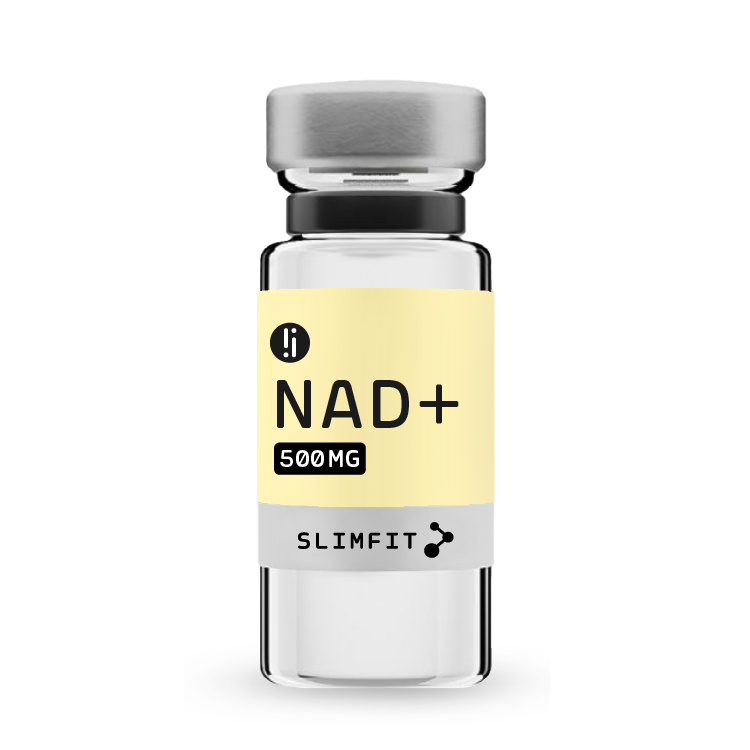
NAD+ is a naturally occurring coenzyme studied extensively for its role in cellular energy metabolism, mitochondrial function, and redox balance. It is a central molecule in biological research because it supports fundamental cellular processes related to energy production and metabolic regulation.
Within laboratory and preclinical research, NAD+ is commonly examined for its role in cellular resilience, metabolic efficiency, and age-related biochemical pathways. Because it functions across multiple biological systems, researchers often include it in studies of cellular performance and energy-related signaling mechanisms.
Key Areas of Research Interest
Cellular energy metabolism and ATP-related signaling pathways
Mitochondrial function and bioenergetic efficiency research
Oxidative stress regulation and redox balance mechanisms
Cellular aging and longevity-related biochemical pathways
Metabolic resilience and cellular repair signaling studies
Mechanism of Action
NAD+ functions as a critical cofactor in oxidation-reduction reactions that drive cellular energy production. It plays a key role in mitochondrial respiration, DNA repair-related signaling, and enzymatic processes involved in metabolic regulation.
In research models, NAD+ availability has been shown to influence sirtuin activity, PARP-related pathways, and mitochondrial signaling mechanisms associated with cellular stress response and energy balance. These interactions have positioned NAD+ as a foundational compound in studies exploring cellular efficiency, metabolic health, and age-associated biochemical changes.
Product Specifications
Compound Type: Coenzyme research compound
Chemical Name: Nicotinamide Adenine Dinucleotide
Form: Lyophilized powder
Molecular Weight: Approximately 663.43 g mol
Appearance: White to off-white lyophilized solid
Research Application: Cellular energy and metabolic pathway studies
Quality Commitment
SlimFit Compounds partners with emerging U.S.-based manufacturers that adhere to strict production, verification, and purity standards. These research-grade formulations are produced using protocols comparable to those employed by major pharmaceutical laboratories, enabling access to high-quality compounds without excessive cost barriers.
Research Use Disclaimer
This product is intended for research and laboratory use only.
Not for human consumption.
Not intended to diagnose, treat, cure, or prevent any disease.
Information provided is for educational and research reference purposes only and has not been evaluated by the FDA. Only qualified professionals should handle this compound in appropriate research or laboratory settings.
Metabolic Coenzyme
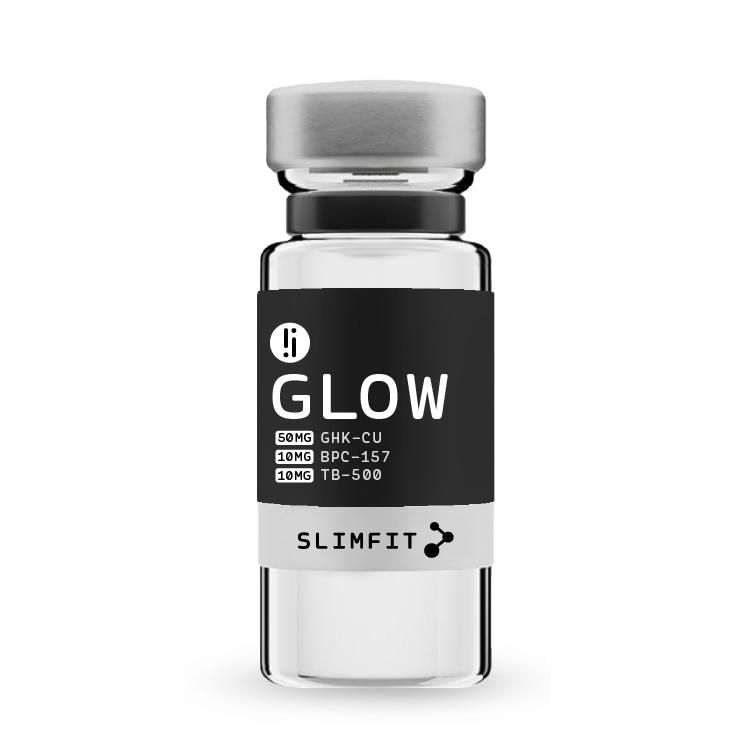
Regenerative Copper Complex Blend
Commonly referred to in research literature as GHK Copper, GLOW is a naturally occurring compound studied for its role in cellular signaling, tissue remodeling pathways, and regenerative biochemical processes. It forms when GHK binds copper ions, creating a stable complex often studied in dermatological, connective tissue, and cellular aging research models.
Researchers have investigated GHK copper for its interactions with gene expression pathways, extracellular matrix regulation, and cellular repair signaling. Due to its broad biological relevance, it is often included in laboratory studies involving tissue quality, structural integrity, and oxidative stress modulation.
Key Areas of Research Interest
Cellular regeneration and tissue remodeling pathways
Collagen synthesis and extracellular matrix signaling
Angiogenesis and vascular support mechanisms
Anti-inflammatory and oxidative stress modulation
Skin structure, connective tissue, and cellular aging research
Mechanism of Action Overview
GHK Copper is studied for its ability to bind copper ions and support their role in enzymatic and cellular signaling. Research indicates that this complex may influence gene expression related to tissue repair, collagen production, and antioxidant defense systems.
In laboratory models, GHK Copper has been shown to participate in signaling pathways associated with cellular renewal, inflammatory response modulation, and matrix organization. Its interaction with copper-dependent enzymes has made it a compound of interest in studies of tissue resilience, regeneration signaling, and cellular-level structural maintenance.
Product Specifications
Compound Type: Copper complex research compound
Form: Lyophilized powder
Chemical Composition: GHK complexed with copper
Molecular Weight: Approximately 403.93 g mol
Appearance: Blue to blue-green lyophilized solid
Research Application: Cellular regeneration and tissue signaling studies
Quality Commitment
SlimFit Compounds partners with emerging U.S.-based manufacturers that adhere to strict production, verification, and purity standards. These research-grade formulations are produced using protocols comparable to those employed by major pharmaceutical laboratories, enabling access to high-quality compounds without excessive cost barriers.
Research Use Disclaimer
This product is intended for research and laboratory use only.
Not for human consumption.
Not intended to diagnose, treat, cure, or prevent any disease.
Information provided is for educational and research reference purposes only and has not been evaluated by the FDA. Only qualified professionals should handle this compound in appropriate research or laboratory settings.
Regenerative Blend
Sleep-Regulatory
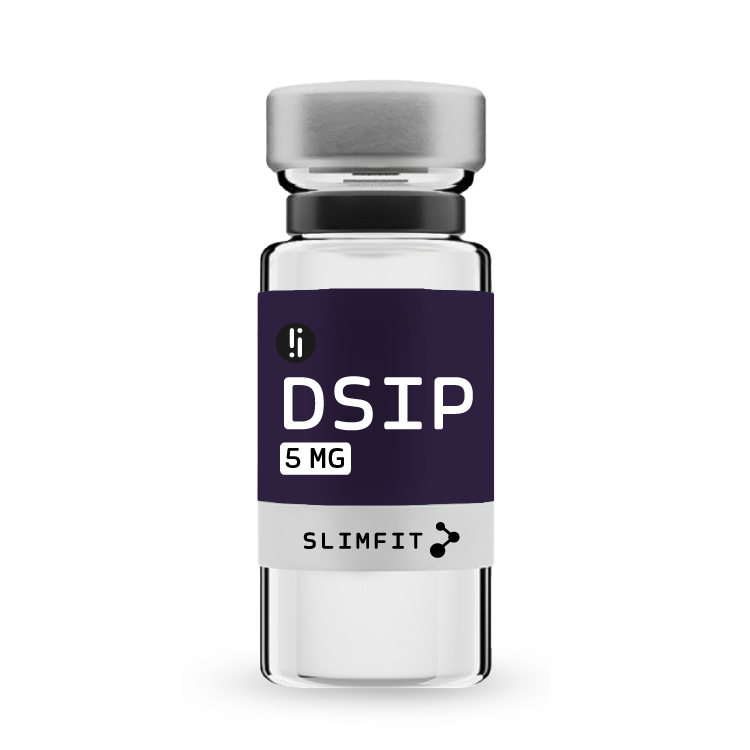
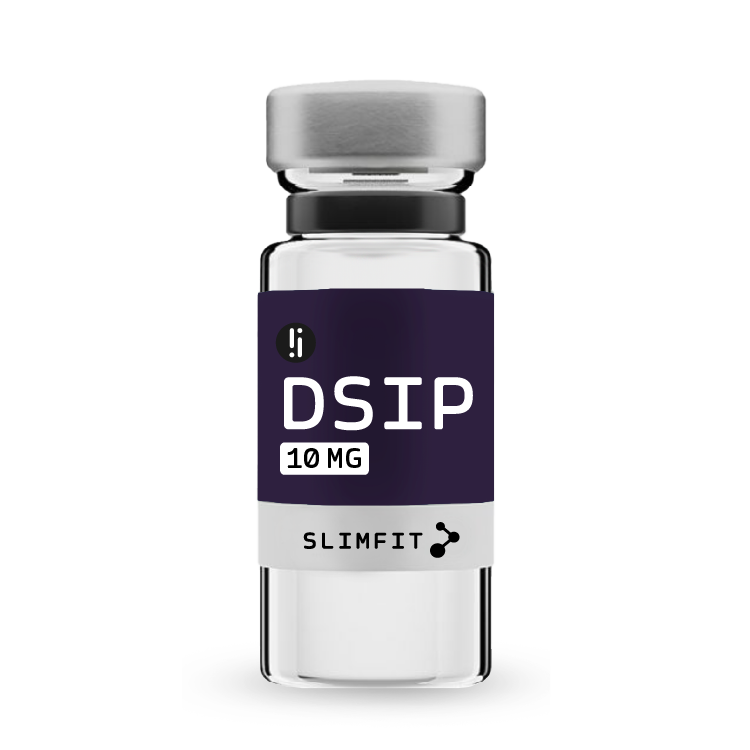
Delta Sleep Inducing Peptide (DSIP) is a naturally occurring compound studied for its role in sleep regulation and circadian rhythm signaling. Originally identified in sleep-cycle research, DSIP has been linked to biological pathways related to restorative sleep, stress response, and neuroendocrine balance.
Researchers commonly study this compound in laboratory settings, examining sleep quality, recovery processes, and central nervous system signaling. DSIP is particularly relevant in studies of mechanisms that influence deep sleep phases and overnight physiological restoration.
Key Areas of Research Interest
Supports natural sleep regulation pathways
Helps promote deeper and more restorative sleep cycles
Supports the body's recovery processes during overnight rest
May help regulate circadian rhythm signaling
Supports neurological balance associated with healthy sleep patterns
Mechanism of Action
DSIP is believed to influence central nervous system pathways associated with sleep regulation. Research suggests that DSIP interacts with neuroendocrine signaling systems that help regulate circadian rhythm activity and sleep cycle balance.
Through its interaction with these regulatory pathways, researchers have explored DSIP for improving sleep quality, supporting recovery during deep sleep phases, and influencing stress-related neurochemical signaling.
Product Specifications
CAS Number: 62568-57-4
Chemical Name: DSIP
Molecular Formula: C₃₅H₄₈N₁₀O₁₅
Molecular Weight: ~848.81 g/mol
Appearance: White to off-white sterile lyophilized powder
Research Application: Sleep regulation pathway research, circadian rhythm studies, neuroendocrine signaling research, and recovery-related interaction analysis
Quality Commitment
SlimFit Compounds partners with emerging U.S.-based manufacturers that adhere to strict production, verification, and purity standards. These research-grade formulations are produced using protocols comparable to those employed by major pharmaceutical laboratories, enabling access to high-quality compounds without excessive cost barriers.
Research Use Disclaimer
This product is intended for research and laboratory use only.
Not for human consumption.
Not intended to diagnose, treat, cure, or prevent any disease.
Information provided is for educational and research reference purposes only and has not been evaluated by the FDA. Only qualified professionals should handle this compound in appropriate research or laboratory settings.
Sleep-Regulatory
Neuroprotective
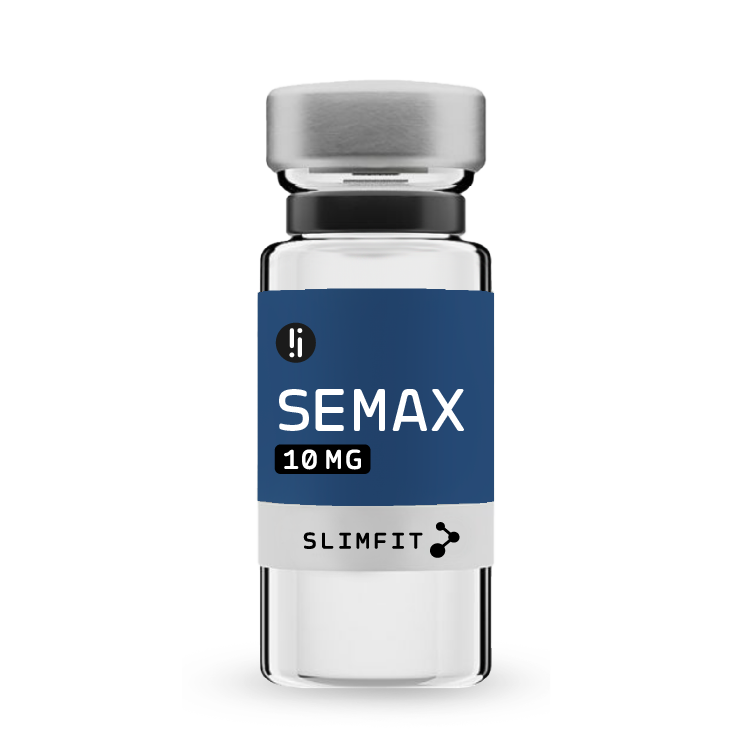
Semax is a synthetic compound derived from a fragment of adrenocorticotropic hormone (ACTH) that has been widely studied for its effects on cognitive function, neuroprotection, and overall brain health. It has attracted significant interest in research involving learning, memory, mental clarity, attention, and neuronal resilience.
Research has also explored Semax's influence on brain-derived neurotrophic factor (BDNF), neuroplasticity, oxidative stress pathways, and central neurotransmitter activity involved in learning, memory, focus, and cognitive resilience. Unlike traditional stimulants, Semax works through neurotrophic and neuromodulatory pathways, making it a unique compound in neuroscience and cognitive performance research.
Key Areas of Research Interest
Frequently studied for cognitive performance, focus, learning, and memory support
Investigated for neuroprotective properties and neuronal resilience
Supports BDNF and neuroplasticity pathways involved in learning and brain adaptation
Investigated for dopamine and serotonin signaling involved in attention, motivation, and mood regulation
Studied for oxidative stress reduction and neuronal recovery
Explored for mental fatigue, cognitive resilience, and healthy brain function
Commonly researched alongside Selank for complementary nootropic effects
Mechanism of Action
Semax functions by interacting with central nervous system signaling pathways that regulate cognition and neuronal activity. Research suggests it increases brain-derived neurotrophic factor (BDNF) expression while influencing dopaminergic and serotonergic neurotransmission. These downstream effects are believed to support neuroplasticity, cognitive performance, memory formation, learning, and neuronal recovery.
Research also suggests Semax may help reduce oxidative stress while enhancing neuroplasticity and synaptic signaling. Unlike traditional stimulants, Semax works primarily through neurotrophic and neuromodulatory pathways rather than directly increasing catecholamine release, making it a compound of significant interest for cognitive enhancement and brain health research.
Product Specifications
CAS Number: 80714-61-0
Chemical Name: Semax (Synthetic ACTH Fragment Analog)
Molecular Formula: C₃₇H₅₁N₉O₁₀S
Molecular Weight: ~813.9 g/mol
Appearance: White to off-white sterile lyophilized powder
Research Application: Cognitive performance, neuroprotection, BDNF signaling, neuroplasticity, memory and learning research, neurotransmitter signaling, oxidative stress, mental performance, and neuroscience research.
Quality Commitment
SlimFit Compounds partners with emerging U.S.-based manufacturers that adhere to strict production, verification, and purity standards. These research-grade formulations are produced using protocols comparable to those employed by major pharmaceutical laboratories, enabling access to high-quality compounds without excessive cost barriers.
Research Use Disclaimer
This product is intended for research and laboratory use only.
Not for human consumption.
Not intended to diagnose, treat, cure, or prevent any disease.
Information provided is for educational and research reference purposes only and has not been evaluated by the FDA. Only qualified professionals should handle this compound in appropriate research or laboratory settings.
Neuroprotective
Neuromodulatory
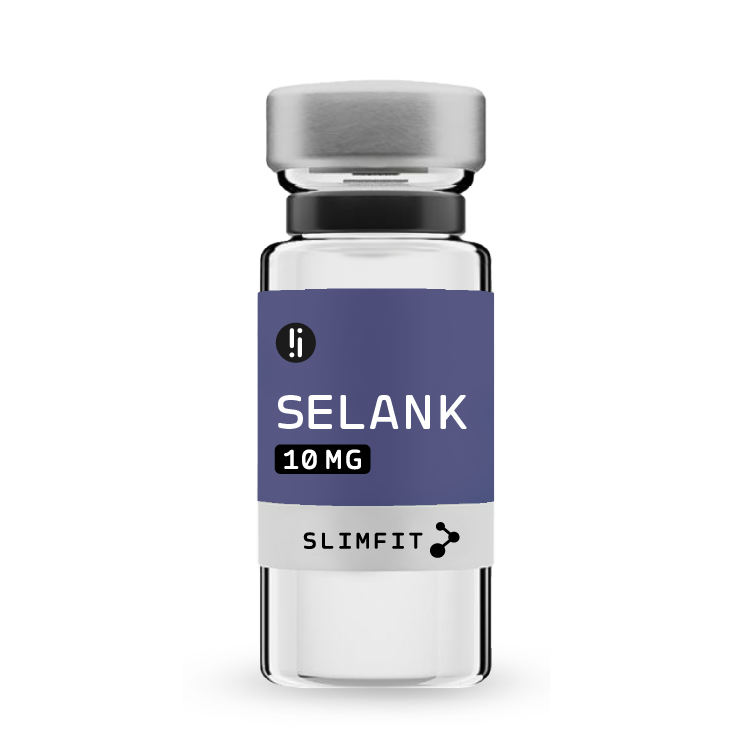
Selank is a synthetic compound derived from tuftsin that has been widely studied for its effects on stress resilience, emotional regulation, cognitive function, and overall brain health. It has attracted significant interest in research involving mood balance, learning, memory, focus, and mental performance.
Research has also explored Selank's influence on gamma-aminobutyric acid (GABA), serotonin, dopamine, and norepinephrine signaling, which support stress adaptation, emotional regulation, attention, motivation, and cognitive resilience. Unlike traditional anxiolytic medications, Selank works through neuromodulatory pathways without producing significant sedation, making it a unique compound in neuroscience and cognitive performance research.
Key Areas of Research Interest
Frequently studied for stress resilience, emotional regulation, and anxiety-related behavior
Investigated for cognitive performance, focus, learning, and memory support
Studied for GABA, serotonin, dopamine, and norepinephrine signaling involved in mood, motivation, and attention
Investigated for neuroprotective properties and healthy brain function
Explored for mental fatigue, cognitive resilience, and overall cognitive performance
Studied for neuroimmune signaling and healthy inflammatory balance
Commonly researched alongside Semax for complementary nootropic effects
Mechanism of Action
Selank functions by interacting with central nervous system signaling pathways involved in stress adaptation, emotional regulation, and cognitive performance. Research suggests it modulates GABAergic activity while influencing serotonin, dopamine, and norepinephrine neurotransmission. These downstream effects are believed to support emotional resilience, attention, learning, memory formation, and healthy cognitive function.
Research also suggests Selank may support neuroplasticity, neuroimmune signaling, and balanced neurotransmitter activity while promoting healthy brain function. Unlike traditional sedatives or stimulants, Selank works primarily through neuromodulatory pathways rather than directly suppressing or stimulating central nervous system activity, making it a compound of significant interest for stress resilience and cognitive health research.
Product Specifications
CAS Number: 129954-34-3
Chemical Name: Selank
Molecular Formula: C₃₃H₅₇N₁₁O₉
Molecular Weight: ~751.9 g/mol
Appearance: White to off-white sterile lyophilized powder
Research Application: Stress resilience, cognitive performance, emotional regulation, learning and memory research, GABA signaling, serotonin signaling, dopamine signaling, neuroplasticity, neuroimmune signaling, attention, motivation, and neuroscience research.
Quality Commitment
SlimFit Compounds partners with emerging U.S.-based manufacturers that adhere to strict production, verification, and purity standards. These research-grade formulations are produced using protocols comparable to those employed by major pharmaceutical laboratories, enabling access to high-quality compounds without excessive cost barriers.
Research Use Disclaimer
This product is intended for research and laboratory use only.
Not for human consumption.
Not intended to diagnose, treat, cure, or prevent any disease.
Information provided is for educational and research reference purposes only and has not been evaluated by the FDA. Only qualified professionals should handle this compound in appropriate research or laboratory settings.
Neuromodulatory
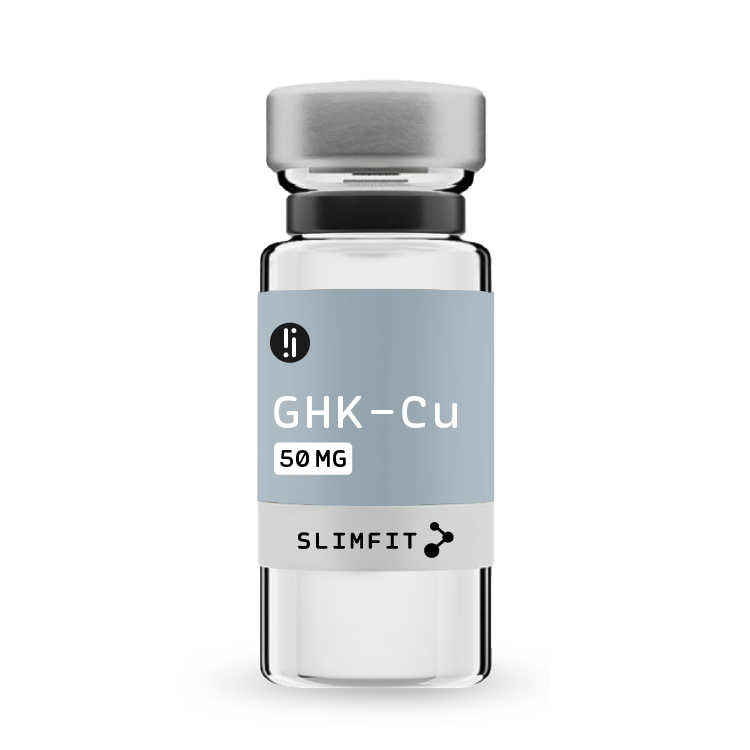
Regenerative Copper Complex
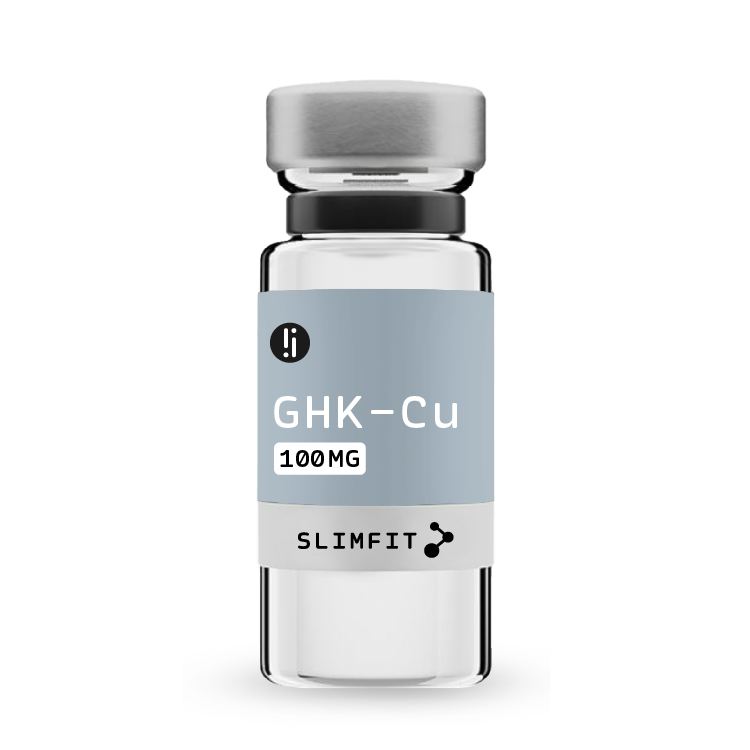
GHK-Cu is a well-established copper-binding compound widely studied in regenerative and cellular signaling research. Naturally occurring in the human body, this copper complex has been extensively studied for its role in supporting tissue repair signaling, skin-associated structural pathways, and overall cellular maintenance.
Within research environments, GHK-Cu is recognized for its ability to interact with gene expression pathways tied to collagen production, antioxidant activity, and structural protein support. Its multifunctional profile has made it a core compound in studies exploring dermal resilience, recovery signaling, and long-term tissue optimization.
By supporting communication between repair-related cellular pathways and structural protein systems, GHK-Cu remains a foundational compound in next-phase research focused on skin quality, follicular support, and connective tissue maintenance.
Key Areas of Research Interest
Supports smoother, firmer skin-related research pathways
Helps promote collagen and elastin activity signals
Encourages healthy hair and scalp research environments
Supports tissue recovery and repair signaling
Helps maintain a balanced inflammation response in studies
Boosts antioxidant and cellular protection pathways
Plays a role in overall skin quality and structural support research
Mechanism of Action
GHK-Cu functions as a copper-binding signaling compound that delivers bioavailable copper to targeted cellular pathways. Copper plays a critical role in multiple enzymatic and structural processes, including collagen formation, antioxidant defense, and tissue repair signaling.
When bound to copper, GHK becomes highly active in cellular communication pathways involved in regeneration and structural maintenance. Research indicates that this complex can influence gene expression related to collagen production, extracellular matrix remodeling, and angiogenesis-associated signaling.
GHK-Cu has also been shown to support balanced inflammatory signaling and oxidative-stress defense pathways, both essential for maintaining tissue integrity and long-term cellular resilience. These combined effects position the compound as central in advanced dermal, follicular, and connective-tissue research models.
Product Specifications
Compound Type: Copper-binding complex
Classification: Regenerative signaling compound
Primary Structure: Glycyl-L-histidyl-L-lysine copper complex
Molecular Formula: C₁₄H₂₄N₆O₄Cu
Molecular Weight: ~403.93 g/mol
Administration Route: Subcutaneous or topical application observed in research settings
Stability Profile: High-stability copper complex
Development Status: Advanced research phase
Research Focus: Skin remodeling pathways, collagen support signaling, follicular research, antioxidant activity, and tissue recovery models
Quality Commitment
SlimFit Compounds partners with emerging U.S.-based manufacturers that adhere to strict production, verification, and purity standards. These research-grade formulations are produced using protocols comparable to those employed by major pharmaceutical laboratories, enabling access to high-quality compounds without excessive cost barriers.
Research Use Disclaimer
This product is intended for research and laboratory use only.
Not for human consumption.
Not intended to diagnose, treat, cure, or prevent any disease.
Information provided is for educational and research reference purposes only and has not been evaluated by the FDA. Only qualified professionals should handle this compound in appropriate research or laboratory settings.
Copper Signaling


Mitochondrial-Derived Signaling
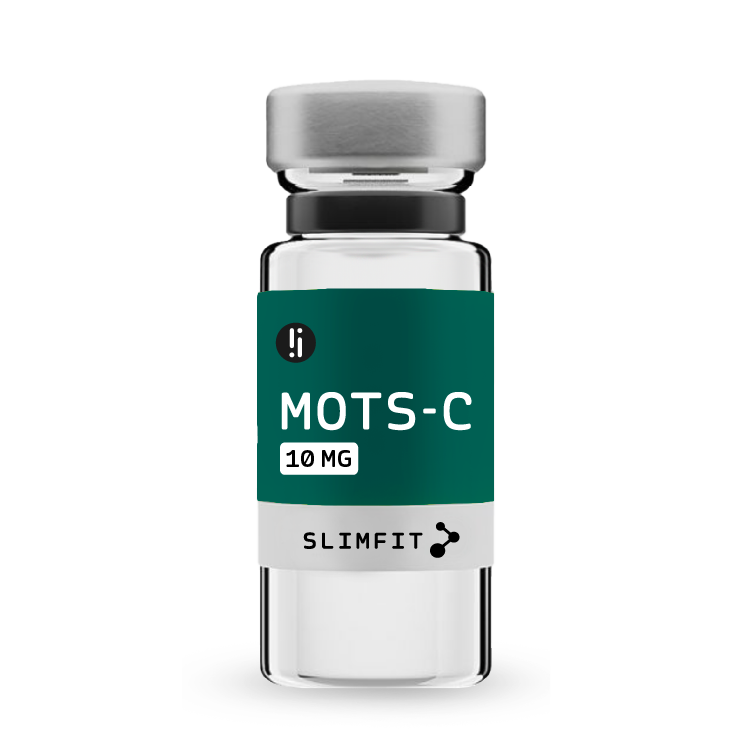
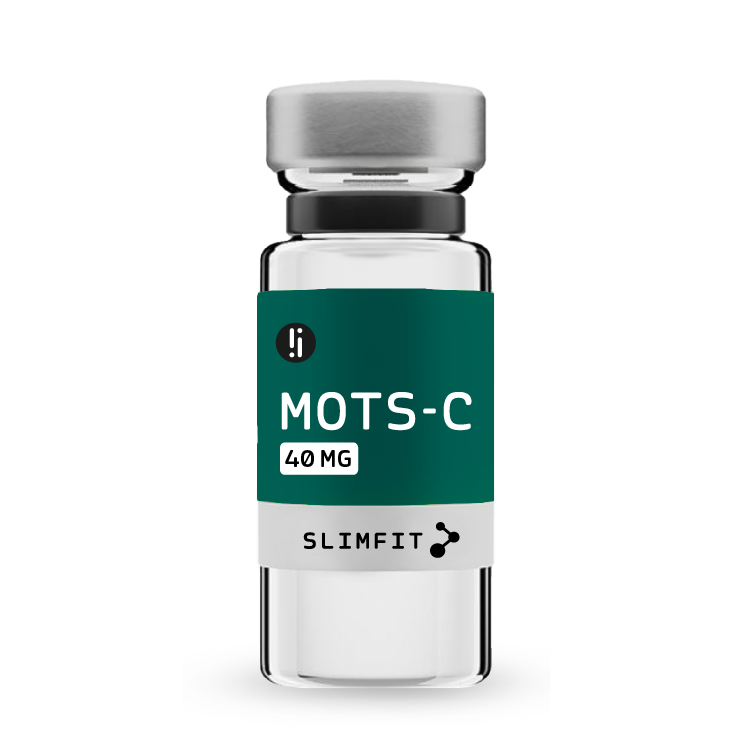
MOTS-C is a mitochondrial-derived compound that has gained attention in metabolic and cellular energy research. Unlike many compounds encoded by nuclear DNA, MOTS-C is encoded in mitochondrial DNA and signals pathways related to energy production and metabolic balance.
Because mitochondria produce energy inside our cells, MOTS-C has become a key focus in research on metabolism, endurance, and how the body adapts to physical stress. Researchers are particularly interested in how this compound may influence the way cells use energy, regulate glucose, and maintain metabolic efficiency.
Through its interaction with pathways such as AMPK activation, MOTS-C continues to be studied for its role in supporting cellular energy regulation, metabolic function, and the body’s ability to adapt to physical and metabolic demands.
Key Areas of Research Interest
Improves endurance and physical performance
Supports cellular resilience and adaptation to metabolic and physical stress
Supports healthy cellular energy production and mitochondrial efficiency
Assists in supporting metabolic balance and energy utilization within cells
Helps the body manage glucose metabolism and metabolic signaling pathways
Mechanism of Action
MOTS-C functions as a mitochondrial-signaling compound that helps communicate between mitochondria and the nucleus to regulate metabolic pathways. Research suggests it may activate AMPK (AMP-activated protein kinase), a key metabolic regulator involved in energy balance, glucose uptake, and cellular stress response.
Through these mechanisms, researchers have studied MOTS-C for its potential role in improving metabolic efficiency, supporting insulin sensitivity signaling, and helping cells use energy more effectively during periods of metabolic demand, such as exercise or caloric restriction.
Because of its connection to mitochondrial signaling and metabolic regulation, MOTS-C has become an increasingly studied compound in research focused on endurance adaptation, energy metabolism, and cellular longevity pathways.
Product Specifications
Compound Type: Mitochondrial-derived signaling compound
Classification: Metabolic regulation research compound
Molecular Formula: C₁₀₁H₁₅₂N₂₈O₂₂S₂
Molecular Weight: ~2174 g/mol
Administration Route: Subcutaneous injection in research settings
Stability Profile: Requires proper cold storage for stability
Development Status: Active research phase
Research Focus: Metabolic signaling, mitochondrial function, glucose metabolism, endurance research, and cellular energy pathways
Quality Commitment
SlimFit Compounds partners with emerging U.S.-based manufacturers that adhere to strict production, verification, and purity standards. These research-grade formulations are produced using protocols comparable to those employed by major pharmaceutical laboratories, enabling access to high-quality compounds without excessive cost barriers.
Research Use Disclaimer
This product is intended for research and laboratory use only.
Not for human consumption.
Not intended to diagnose, treat, cure, or prevent any disease.
Information provided is for educational and research reference purposes only and has not been evaluated by the FDA. Only qualified professionals should handle this compound in appropriate research or laboratory settings.
Mitochondrial Signaling