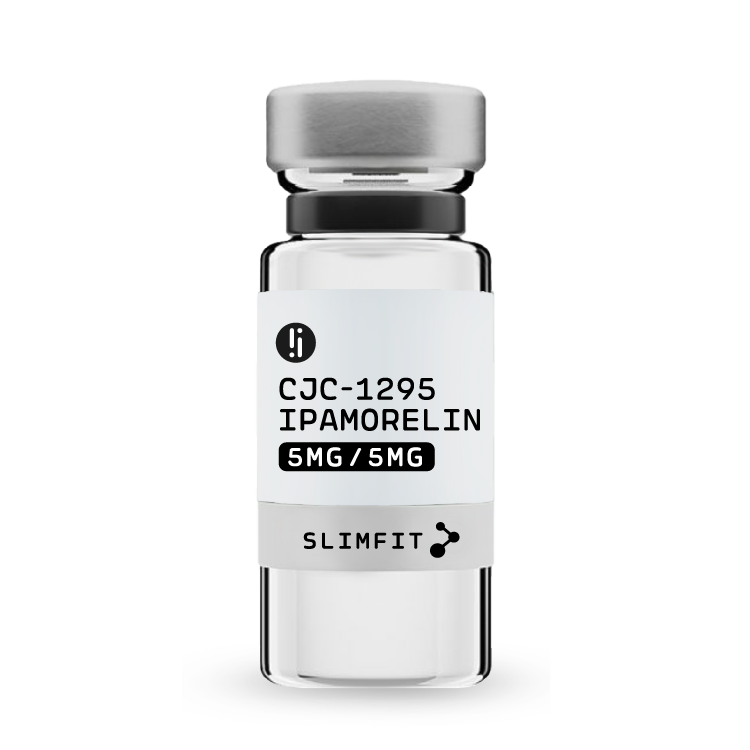
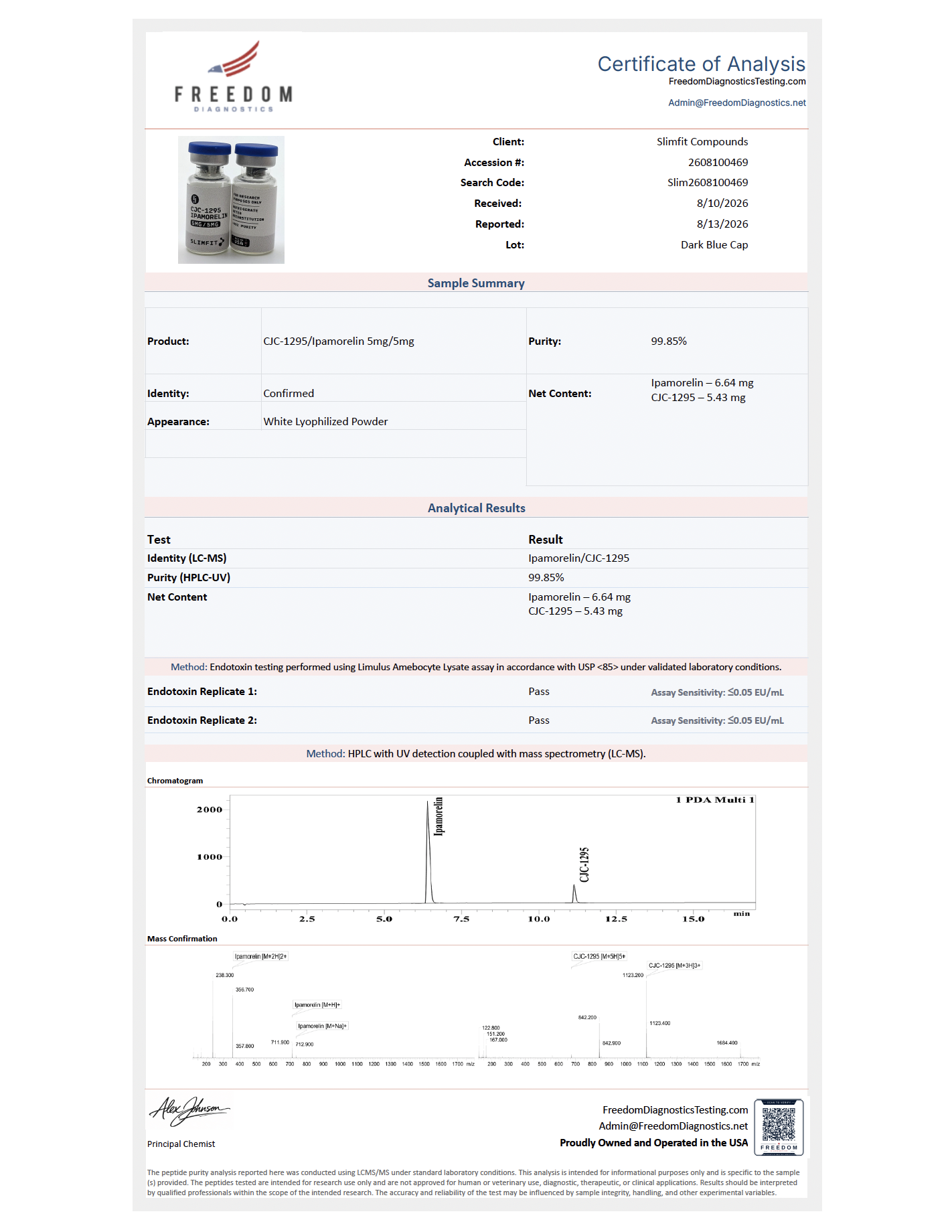
 Image 1 of 3
 Image 2 of 3
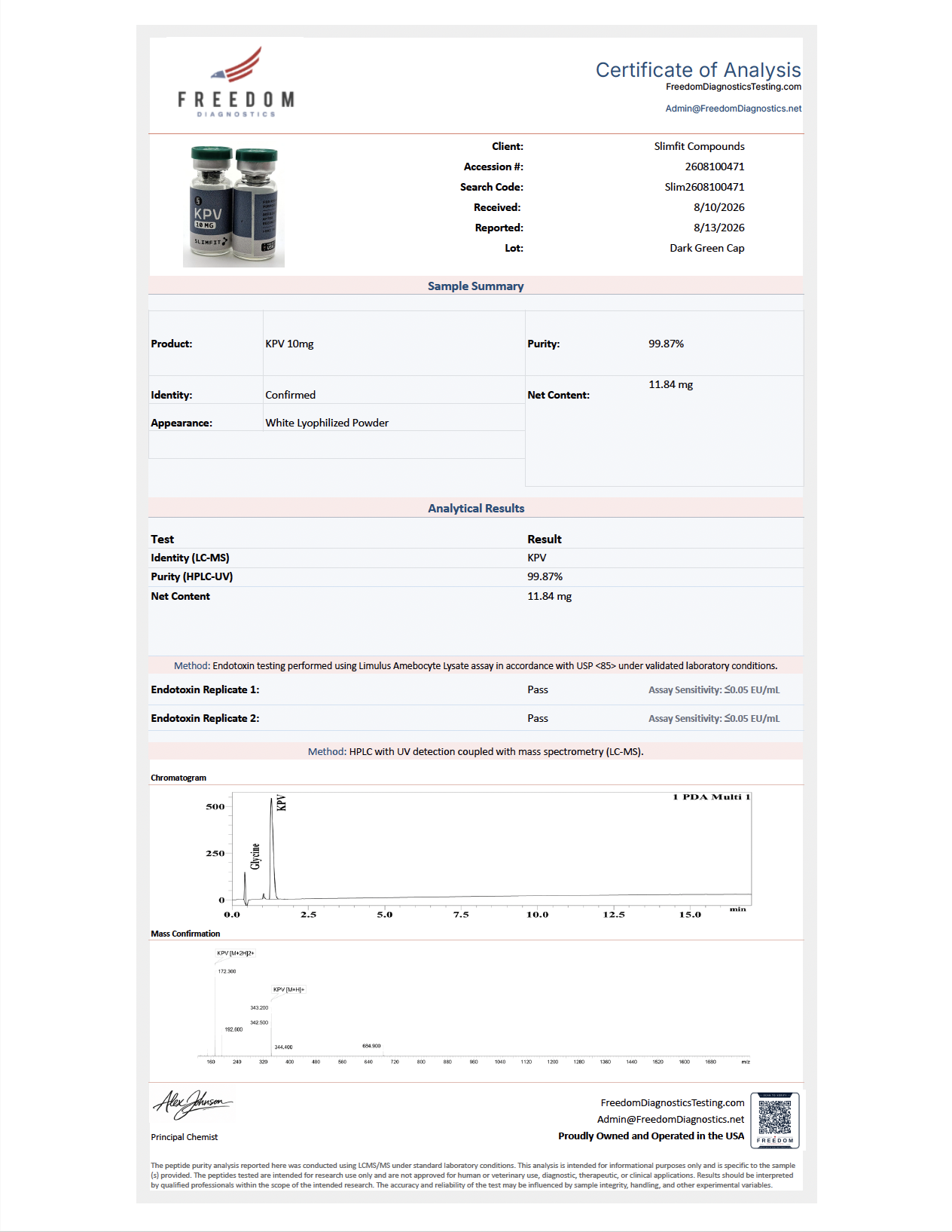 Image 3 of 3
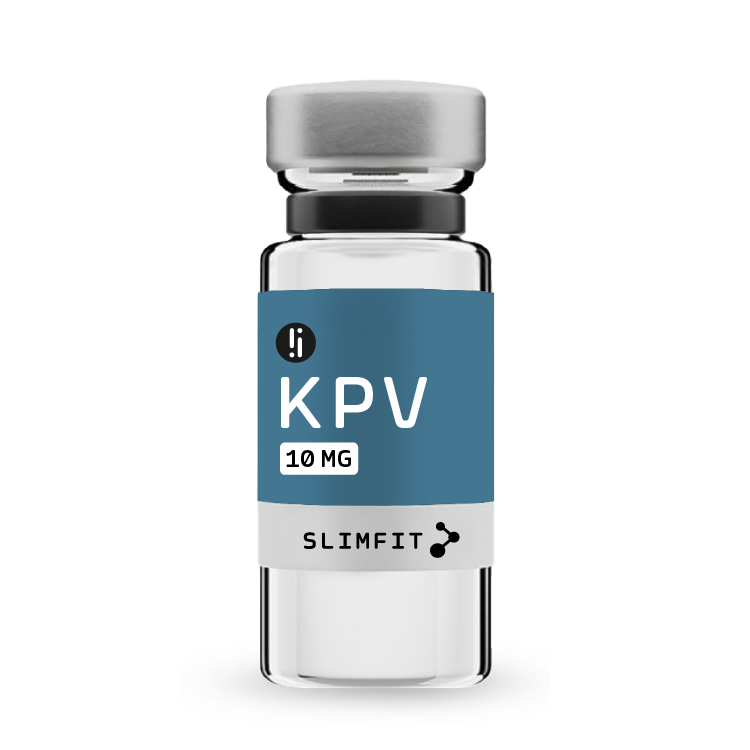
Lysine-Proline-Valine (KPV) is a naturally occurring compound derived from the alpha-melanocyte-stimulating hormone (α-MSH) sequence and is widely studied for its role in inflammatory regulation and gut-associated signaling pathways.
In research settings, KPV has drawn attention for supporting balanced inflammatory responses and promoting cellular environments associated with tissue resilience and barrier integrity. Because of its targeted signaling properties, KPV has become a focus in research exploring immune modulation, gastrointestinal health models, and skin-related recovery pathways.
By interacting with regulatory pathways tied to cytokine signaling and inflammatory response control, KPV remains a valuable compound in next-generation research exploring immune balance, epithelial barrier support, and tissue-recovery environments.
Helps support a balanced inflammatory response within the body
Assists in supporting overall tissue recovery and cellular repair environments
Helps the body manage and bring down excessive inflammatory responses
Supports gut health and intestinal barrier function
Promotes a healthier environment for skin recovery and irritation support
KPV functions as a short signaling compound derived from the C-terminal sequence of alpha-melanocyte-stimulating hormone (α-MSH). Some research has shown KPV to influence inflammatory signaling pathways, particularly those associated with cytokine activity and immune response regulation.
Research suggests KPV may help modulate pathways tied to NF-κB signaling and other inflammatory mediators involved in immune-system communication. Through these mechanisms, researchers have studied the compound for its ability to support balanced inflammatory environments in gastrointestinal, dermal, and epithelial tissue models.
Because of its targeted signaling properties and relatively small structure, KPV has become an increasingly studied compound in research involving gut-barrier function, immune balance, microbial ecosystem signaling, and tissue-recovery pathways
Compound Type: Anti-inflammatory signaling compound
Classification: Immune-regulatory compound
Primary Structure: Lysine-Proline-Valine
Molecular Formula: C₁₆H₂₈N₄O₄
Molecular Weight: ~340.42 g/mol
Administration Route: Subcutaneous, topical, or oral; observed in research models
Stability Profile: Stable short-chain structure
Development Status: Active research phase
Research Application: Inflammatory signaling regulation, gut-barrier research, immune modulation pathways, microbial balance models, and tissue-recovery studies
SlimFit Compounds partners with emerging U.S.-based manufacturers that adhere to strict production, verification, and purity standards. These research-grade formulations are produced using protocols comparable to those employed by major pharmaceutical laboratories, enabling access to high-quality compounds without excessive cost barriers.
This product is intended for research and laboratory use only.
Not for human consumption.
Not intended to diagnose, treat, cure, or prevent any disease.
Information provided is for educational and research reference purposes only and has not been evaluated by the FDA. Only qualified professionals should handle this compound in appropriate research or laboratory settings.
Lysine-Proline-Valine (KPV) is a naturally occurring compound derived from the alpha-melanocyte-stimulating hormone (α-MSH) sequence and is widely studied for its role in inflammatory regulation and gut-associated signaling pathways.
In research settings, KPV has drawn attention for supporting balanced inflammatory responses and promoting cellular environments associated with tissue resilience and barrier integrity. Because of its targeted signaling properties, KPV has become a focus in research exploring immune modulation, gastrointestinal health models, and skin-related recovery pathways.
By interacting with regulatory pathways tied to cytokine signaling and inflammatory response control, KPV remains a valuable compound in next-generation research exploring immune balance, epithelial barrier support, and tissue-recovery environments.
Helps support a balanced inflammatory response within the body
Assists in supporting overall tissue recovery and cellular repair environments
Helps the body manage and bring down excessive inflammatory responses
Supports gut health and intestinal barrier function
Promotes a healthier environment for skin recovery and irritation support
KPV functions as a short signaling compound derived from the C-terminal sequence of alpha-melanocyte-stimulating hormone (α-MSH). Some research has shown KPV to influence inflammatory signaling pathways, particularly those associated with cytokine activity and immune response regulation.
Research suggests KPV may help modulate pathways tied to NF-κB signaling and other inflammatory mediators involved in immune-system communication. Through these mechanisms, researchers have studied the compound for its ability to support balanced inflammatory environments in gastrointestinal, dermal, and epithelial tissue models.
Because of its targeted signaling properties and relatively small structure, KPV has become an increasingly studied compound in research involving gut-barrier function, immune balance, microbial ecosystem signaling, and tissue-recovery pathways
Compound Type: Anti-inflammatory signaling compound
Classification: Immune-regulatory compound
Primary Structure: Lysine-Proline-Valine
Molecular Formula: C₁₆H₂₈N₄O₄
Molecular Weight: ~340.42 g/mol
Administration Route: Subcutaneous, topical, or oral; observed in research models
Stability Profile: Stable short-chain structure
Development Status: Active research phase
Research Application: Inflammatory signaling regulation, gut-barrier research, immune modulation pathways, microbial balance models, and tissue-recovery studies
SlimFit Compounds partners with emerging U.S.-based manufacturers that adhere to strict production, verification, and purity standards. These research-grade formulations are produced using protocols comparable to those employed by major pharmaceutical laboratories, enabling access to high-quality compounds without excessive cost barriers.
This product is intended for research and laboratory use only.
Not for human consumption.
Not intended to diagnose, treat, cure, or prevent any disease.
Information provided is for educational and research reference purposes only and has not been evaluated by the FDA. Only qualified professionals should handle this compound in appropriate research or laboratory settings.