 Image 1 of 2
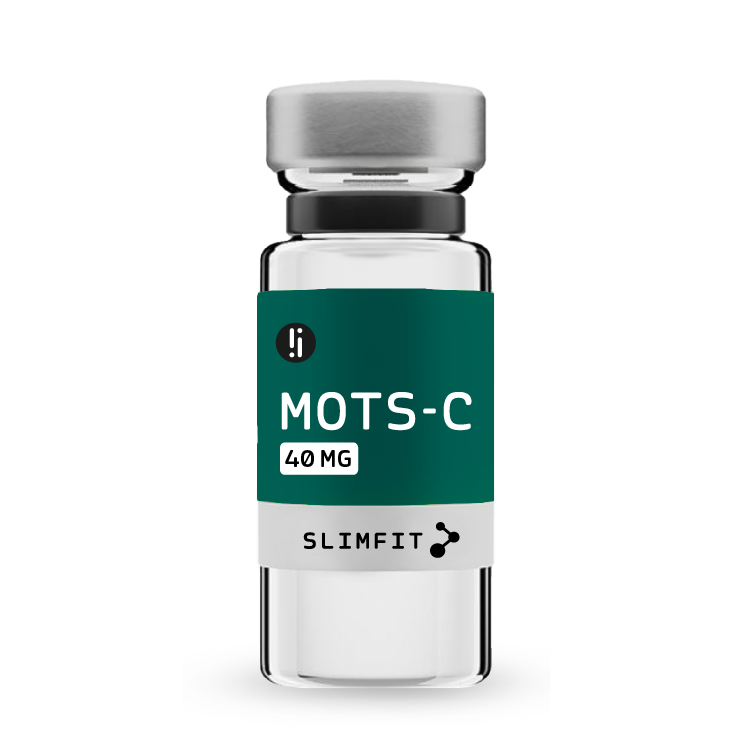 Image 2 of 2
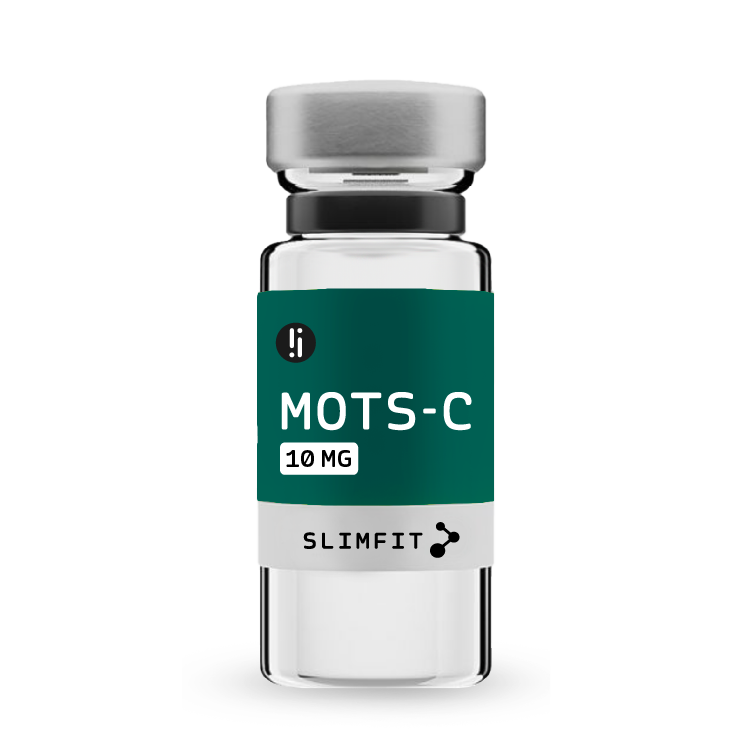
MOTS-C is a mitochondrial-derived compound that has gained attention in metabolic and cellular energy research. Unlike many compounds encoded by nuclear DNA, MOTS-C is encoded in mitochondrial DNA and signals pathways related to energy production and metabolic balance.
Because mitochondria produce energy inside our cells, MOTS-C has become a key focus in research on metabolism, endurance, and how the body adapts to physical stress. Researchers are particularly interested in how this compound may influence the way cells use energy, regulate glucose, and maintain metabolic efficiency.
Through its interaction with pathways such as AMPK activation, MOTS-C continues to be studied for its role in supporting cellular energy regulation, metabolic function, and the body’s ability to adapt to physical and metabolic demands.
Improves endurance and physical performance
Supports cellular resilience and adaptation to metabolic and physical stress
Supports healthy cellular energy production and mitochondrial efficiency
Assists in supporting metabolic balance and energy utilization within cells
Helps the body manage glucose metabolism and metabolic signaling pathways
MOTS-C functions as a mitochondrial-signaling compound that helps communicate between mitochondria and the nucleus to regulate metabolic pathways. Research suggests it may activate AMPK (AMP-activated protein kinase), a key metabolic regulator involved in energy balance, glucose uptake, and cellular stress response.
Through these mechanisms, researchers have studied MOTS-C for its potential role in improving metabolic efficiency, supporting insulin sensitivity signaling, and helping cells use energy more effectively during periods of metabolic demand, such as exercise or caloric restriction.
Because of its connection to mitochondrial signaling and metabolic regulation, MOTS-C has become an increasingly studied compound in research focused on endurance adaptation, energy metabolism, and cellular longevity pathways.
Compound Type: Mitochondrial-derived signaling compound
Classification: Metabolic regulation research compound
Molecular Formula: C₁₀₁H₁₅₂N₂₈O₂₂S₂
Molecular Weight: ~2174 g/mol
Administration Route: Subcutaneous injection in research settings
Stability Profile: Requires proper cold storage for stability
Development Status: Active research phase
Research Focus: Metabolic signaling, mitochondrial function, glucose metabolism, endurance research, and cellular energy pathways
SlimFit Compounds partners with emerging U.S.-based manufacturers that adhere to strict production, verification, and purity standards. These research-grade formulations are produced using protocols comparable to those employed by major pharmaceutical laboratories, enabling access to high-quality compounds without excessive cost barriers.
This product is intended for research and laboratory use only.
Not for human consumption.
Not intended to diagnose, treat, cure, or prevent any disease.
Information provided is for educational and research reference purposes only and has not been evaluated by the FDA. Only qualified professionals should handle this compound in appropriate research or laboratory settings.
MOTS-C is a mitochondrial-derived compound that has gained attention in metabolic and cellular energy research. Unlike many compounds encoded by nuclear DNA, MOTS-C is encoded in mitochondrial DNA and signals pathways related to energy production and metabolic balance.
Because mitochondria produce energy inside our cells, MOTS-C has become a key focus in research on metabolism, endurance, and how the body adapts to physical stress. Researchers are particularly interested in how this compound may influence the way cells use energy, regulate glucose, and maintain metabolic efficiency.
Through its interaction with pathways such as AMPK activation, MOTS-C continues to be studied for its role in supporting cellular energy regulation, metabolic function, and the body’s ability to adapt to physical and metabolic demands.
Improves endurance and physical performance
Supports cellular resilience and adaptation to metabolic and physical stress
Supports healthy cellular energy production and mitochondrial efficiency
Assists in supporting metabolic balance and energy utilization within cells
Helps the body manage glucose metabolism and metabolic signaling pathways
MOTS-C functions as a mitochondrial-signaling compound that helps communicate between mitochondria and the nucleus to regulate metabolic pathways. Research suggests it may activate AMPK (AMP-activated protein kinase), a key metabolic regulator involved in energy balance, glucose uptake, and cellular stress response.
Through these mechanisms, researchers have studied MOTS-C for its potential role in improving metabolic efficiency, supporting insulin sensitivity signaling, and helping cells use energy more effectively during periods of metabolic demand, such as exercise or caloric restriction.
Because of its connection to mitochondrial signaling and metabolic regulation, MOTS-C has become an increasingly studied compound in research focused on endurance adaptation, energy metabolism, and cellular longevity pathways.
Compound Type: Mitochondrial-derived signaling compound
Classification: Metabolic regulation research compound
Molecular Formula: C₁₀₁H₁₅₂N₂₈O₂₂S₂
Molecular Weight: ~2174 g/mol
Administration Route: Subcutaneous injection in research settings
Stability Profile: Requires proper cold storage for stability
Development Status: Active research phase
Research Focus: Metabolic signaling, mitochondrial function, glucose metabolism, endurance research, and cellular energy pathways
SlimFit Compounds partners with emerging U.S.-based manufacturers that adhere to strict production, verification, and purity standards. These research-grade formulations are produced using protocols comparable to those employed by major pharmaceutical laboratories, enabling access to high-quality compounds without excessive cost barriers.
This product is intended for research and laboratory use only.
Not for human consumption.
Not intended to diagnose, treat, cure, or prevent any disease.
Information provided is for educational and research reference purposes only and has not been evaluated by the FDA. Only qualified professionals should handle this compound in appropriate research or laboratory settings.