
 Image 1 of 2
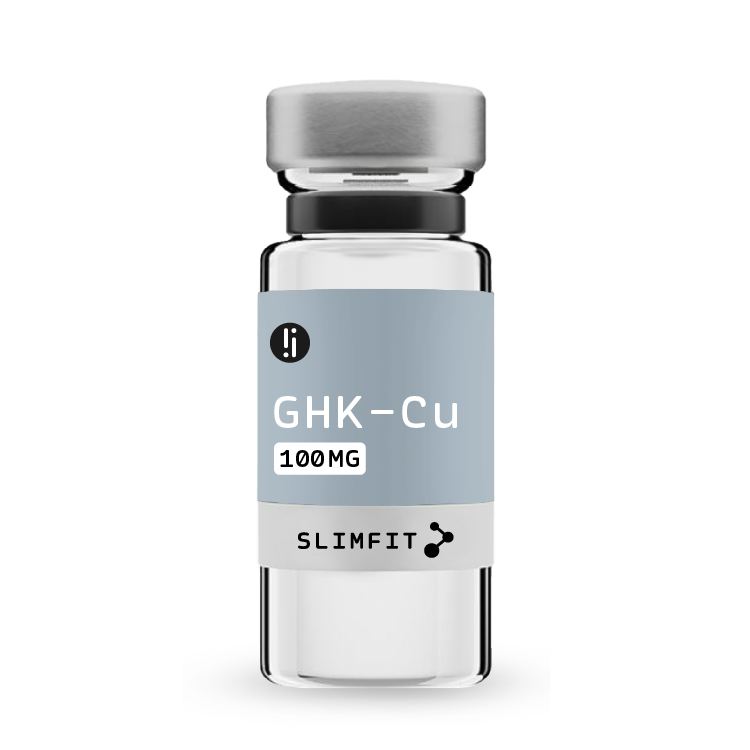 Image 2 of 2
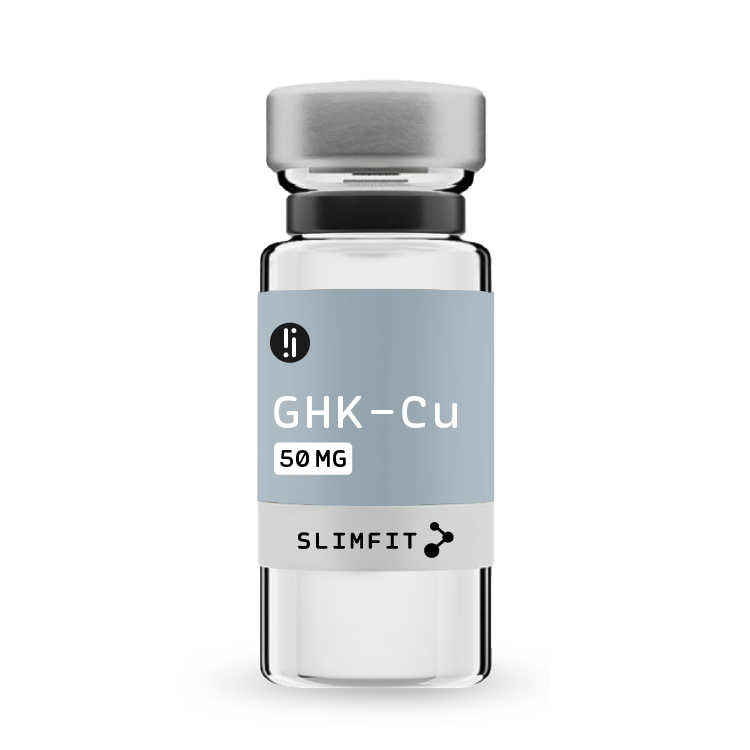
Copper Tripeptide Complex (GHK-Cu) is a well-established copper-binding peptide complex widely studied in regenerative and cellular signaling research. Naturally occurring in the human body, this tripeptide–copper complex has been extensively studied for its role in supporting tissue repair signaling, skin-associated structural pathways, and overall cellular maintenance.
Within research environments, GHK-Cu is recognized for its ability to interact with gene expression pathways tied to collagen production, antioxidant activity, and structural protein support. Its multifunctional profile has made it a core compound in studies exploring dermal resilience, recovery signaling, and long-term tissue optimization.
By supporting communication between repair-related cellular pathways and structural protein systems, GHK-Cu continues to serve as a foundational peptide in next-phase research centered around skin quality, follicular support, and connective tissue maintenance.
Supports smoother, firmer skin-related research pathways
Helps promote collagen and elastin activity signals
Encourages healthy hair and scalp research environments
Supports tissue recovery and repair signaling
Helps maintain a balanced inflammation response in studies
Boosts antioxidant and cellular protection pathways
Plays a role in overall skin quality and structural support research
GHK-Cu functions as a copper-binding signaling peptide that delivers bioavailable copper to targeted cellular pathways. Copper plays a critical role in multiple enzymatic and structural processes, including collagen formation, antioxidant defense, and tissue repair signaling.
When bound to copper, the GHK peptide becomes highly active in cellular communication pathways involved in regeneration and structural maintenance. Research indicates that this complex can influence gene expression related to collagen production, extracellular matrix remodeling, and angiogenesis-associated signaling.
GHK-Cu has also demonstrated the ability to support balanced inflammatory signaling and oxidative-stress defense pathways, both of which are essential for maintaining tissue integrity and long-term cellular resilience. These combined effects position the peptide as a central compound in advanced dermal, follicular, and connective-tissue research models.
Compound Type: Copper-binding tripeptide complex
Classification: Regenerative signaling peptide
Primary Structure: Glycyl-L-histidyl-L-lysine copper complex
Molecular Formula: C₁₄H₂₄N₆O₄Cu
Molecular Weight: ~403.93 g/mol
Administration Route: Subcutaneous or topical application observed in research settings
Stability Profile: High stability copper-peptide complex
Development Status: Advanced research phase
Research Focus: Skin remodeling pathways, collagen support signaling, follicular research, antioxidant activity, and tissue recovery models
SlimFit Compounds partners with emerging U.S.-based manufacturers that adhere to strict production, verification, and purity standards. These research-grade formulations are produced using protocols comparable to those employed by major pharmaceutical laboratories, enabling access to high-quality compounds without excessive cost barriers.
This product is intended for research and laboratory use only.
Not for human consumption.
Not intended to diagnose, treat, cure, or prevent any disease.
Information provided is for educational and research reference purposes only and has not been evaluated by the FDA. This compound should only be handled by qualified professionals in appropriate research or laboratory settings.
Copper Tripeptide Complex (GHK-Cu) is a well-established copper-binding peptide complex widely studied in regenerative and cellular signaling research. Naturally occurring in the human body, this tripeptide–copper complex has been extensively studied for its role in supporting tissue repair signaling, skin-associated structural pathways, and overall cellular maintenance.
Within research environments, GHK-Cu is recognized for its ability to interact with gene expression pathways tied to collagen production, antioxidant activity, and structural protein support. Its multifunctional profile has made it a core compound in studies exploring dermal resilience, recovery signaling, and long-term tissue optimization.
By supporting communication between repair-related cellular pathways and structural protein systems, GHK-Cu continues to serve as a foundational peptide in next-phase research centered around skin quality, follicular support, and connective tissue maintenance.
Supports smoother, firmer skin-related research pathways
Helps promote collagen and elastin activity signals
Encourages healthy hair and scalp research environments
Supports tissue recovery and repair signaling
Helps maintain a balanced inflammation response in studies
Boosts antioxidant and cellular protection pathways
Plays a role in overall skin quality and structural support research
GHK-Cu functions as a copper-binding signaling peptide that delivers bioavailable copper to targeted cellular pathways. Copper plays a critical role in multiple enzymatic and structural processes, including collagen formation, antioxidant defense, and tissue repair signaling.
When bound to copper, the GHK peptide becomes highly active in cellular communication pathways involved in regeneration and structural maintenance. Research indicates that this complex can influence gene expression related to collagen production, extracellular matrix remodeling, and angiogenesis-associated signaling.
GHK-Cu has also demonstrated the ability to support balanced inflammatory signaling and oxidative-stress defense pathways, both of which are essential for maintaining tissue integrity and long-term cellular resilience. These combined effects position the peptide as a central compound in advanced dermal, follicular, and connective-tissue research models.
Compound Type: Copper-binding tripeptide complex
Classification: Regenerative signaling peptide
Primary Structure: Glycyl-L-histidyl-L-lysine copper complex
Molecular Formula: C₁₄H₂₄N₆O₄Cu
Molecular Weight: ~403.93 g/mol
Administration Route: Subcutaneous or topical application observed in research settings
Stability Profile: High stability copper-peptide complex
Development Status: Advanced research phase
Research Focus: Skin remodeling pathways, collagen support signaling, follicular research, antioxidant activity, and tissue recovery models
SlimFit Compounds partners with emerging U.S.-based manufacturers that adhere to strict production, verification, and purity standards. These research-grade formulations are produced using protocols comparable to those employed by major pharmaceutical laboratories, enabling access to high-quality compounds without excessive cost barriers.
This product is intended for research and laboratory use only.
Not for human consumption.
Not intended to diagnose, treat, cure, or prevent any disease.
Information provided is for educational and research reference purposes only and has not been evaluated by the FDA. This compound should only be handled by qualified professionals in appropriate research or laboratory settings.